solitude
{wild bubble} My Favorite Picture
{wild bubble} Graffeo Coffee, The Avengers, The Artist’s Way
A Wonderful Little Short Film I Stumbled Upon, Narrated by David Bowie
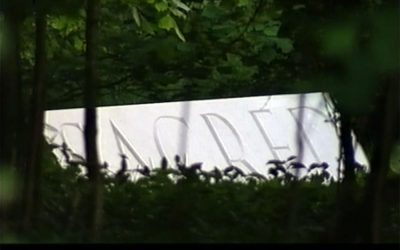
In Stillness and In Silence
the carved word is one of the most
complex expressions
memory made manifest
it’s something that straddles past and future without ever quite being present
or rather it at first seems indifferent to the present
there’s a tension of a most unfathomable nature
the word desires to be understood to have meaning
but you somehow feel that it’s not you yourself that the word is addressing
it washes over you
holding a dialogue with something arcane
that’s maybe not mortal
and you feel intrigued
captured even
you’re aware of a deeper existence
maybe a temporary reassurance that indeed there is no beginning no end
and all at once the outward appearance of meaning is transcended
and you find yourself struggling to comprehend a deep and formidable mystery
I’m dying
you are dying
second by second
all is transient
does it matter
do I bother
yes I do
life is fantastic
it never ends
it only changes
flesh to stone to flesh and round and round
best keep walking
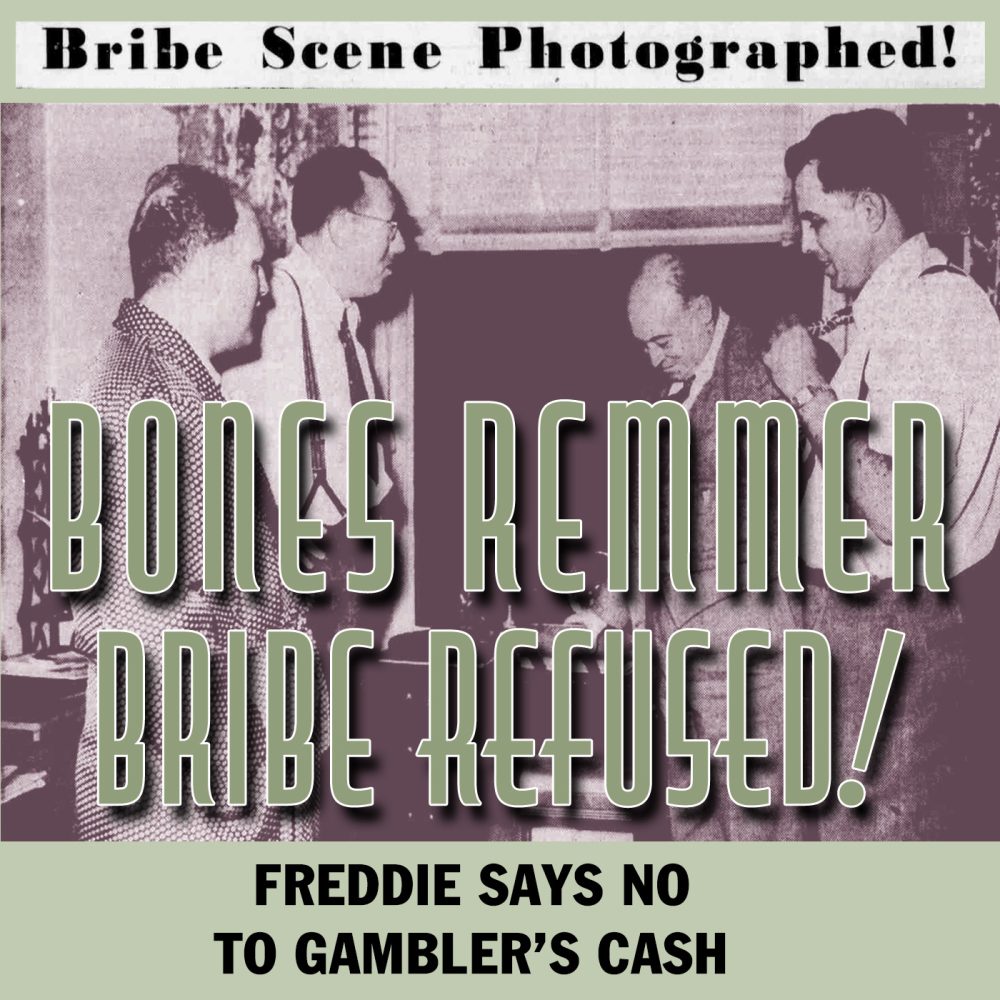
{frisco} Bones Remmer Bribe Refused—Freddie Sez No To Gambler’s Cash
My Little Monsters Don’t Eat Them
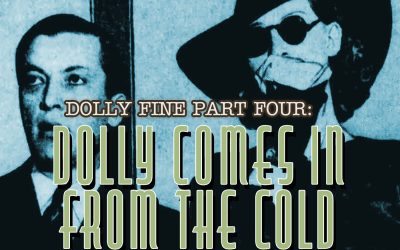
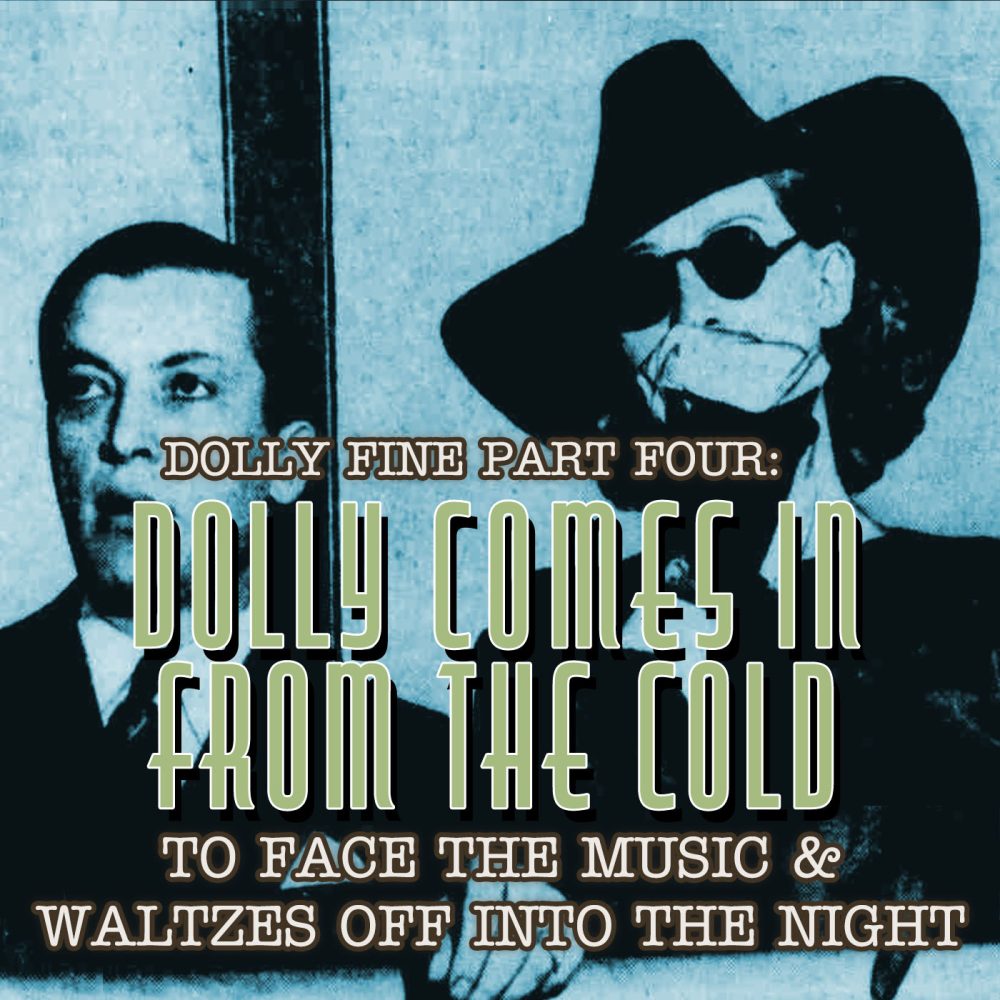
{frisco} Dolly Fine Part 4: Dolly Comes In From The Cold & Waltzes Off Into The Night
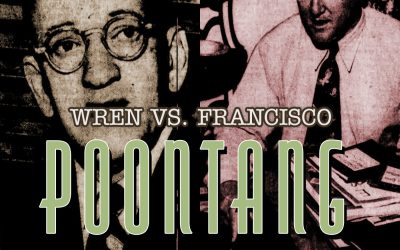
{frisco} #24 Wren vs Patterson: Does The Word “Poontang” Belong In A Family Newspaper?
In this episode, I’m diving into one of my favorite San Francisco stories—the kind that lives right at the intersection of journalism, mischief, and outright audacity. It centers on two unforgettable characters from the San Francisco Examiner: the hard-driving, razor-sharp editor Bill Wren, and the wildly charismatic columnist Bob Patterson—better known to readers as Freddie Francisco. Bob was one of the most charming and fascinating men I’ve ever met.
This was the clash of two monumental titans over the use of the word “poontang” in the newspaper.
I walk you through Wren’s almost rise, a tale of grit and termination—from a runaway kid riding the rails west to becoming one of the most feared and respected newsroom bosses in the country—and how he hired Patterson, a brilliant writer with a criminal past, a trickster at heart. Their relationship was equal parts respect and chaos, which made what happened almost inevitable.
At the heart of the story is a ridiculous, very San Francisco kind of bet they made about whether the word “poontang”would ever appear in the paper again, after Bob used it in one of his columns.
What followed is pure Freddie Francisco: clever, subversive, and brazen.
It’s a small story on the surface, but it captures something bigger about Frisco, the era, and the kinds of characters who used to run the show.
{wild bubble} Frisco Update & They Don’t Call It AI Slop For Nothing
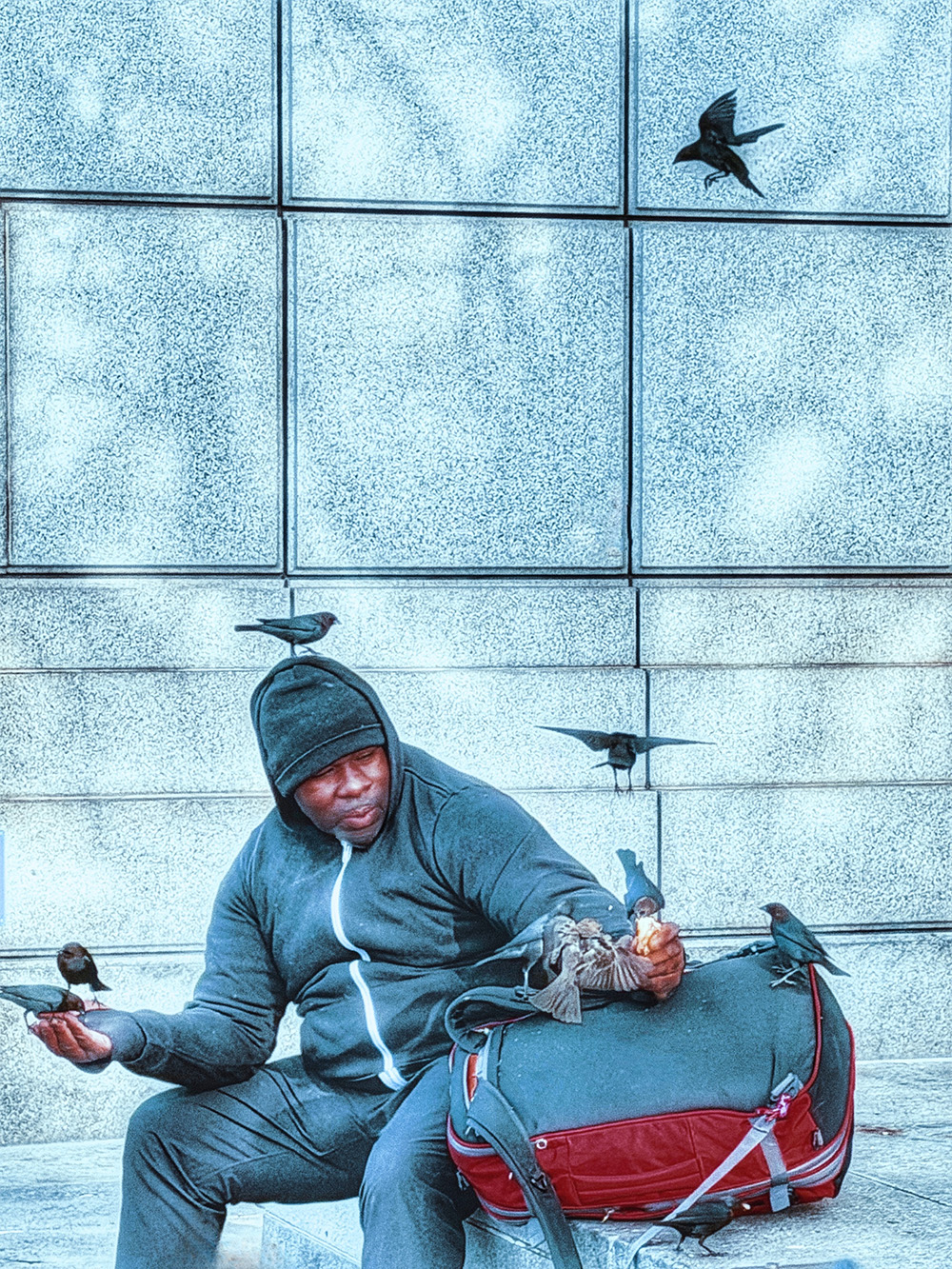
The Birdman of San Francisco
{frisco} Frisco Noir with Rachel Walther #3: “Sudden Fear” (1952) & “House On Telegraph Hill” (1951)
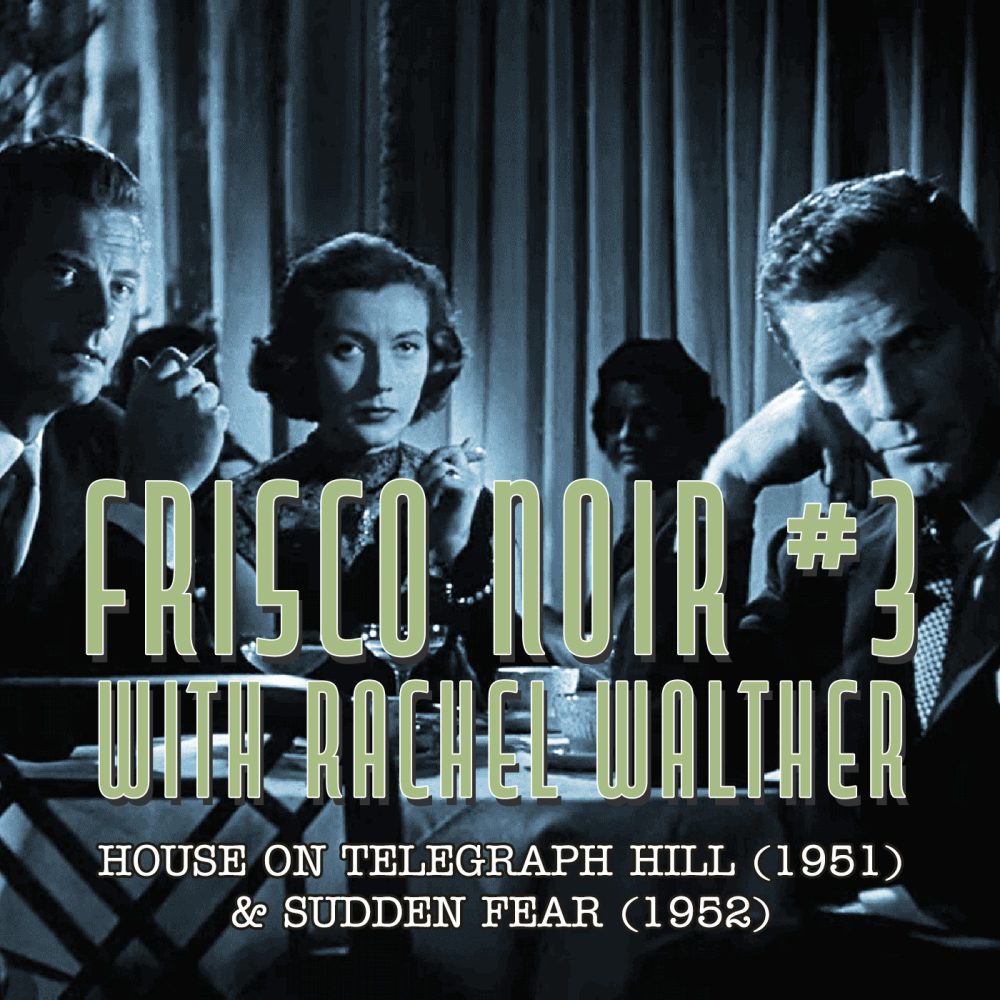
In this episode of Frisco: The Secret History, Knox Bronson welcomes back film writer Rachel Walther to explore two classic film noir movies set in San Francisco: Sudden Fear (1952) starring Joan Crawford and Jack Palance, and House on Telegraph Hill (1951) starring Valentina Cortese and Richard Basehart.
Rachel dives into the production history, fascinating behind-the-scenes drama, and the real San Francisco locations that shaped these atmospheric thrillers. From Joan Crawford’s tense relationship with co-stars to wartime backstories and dramatic Telegraph Hill chases, the conversation reveals how the city itself became a character in post-war noir filmmaking.
They also explore why San Francisco’s dramatic hills, foggy streets, and working-class past made it such a natural setting for crime dramas in the 1940s and 50s—and how these films captured a version of the city that has largely disappeared.
If you love classic cinema, film noir, or San Francisco history, this episode uncovers the strange and shadowy stories behind two remarkable movies.
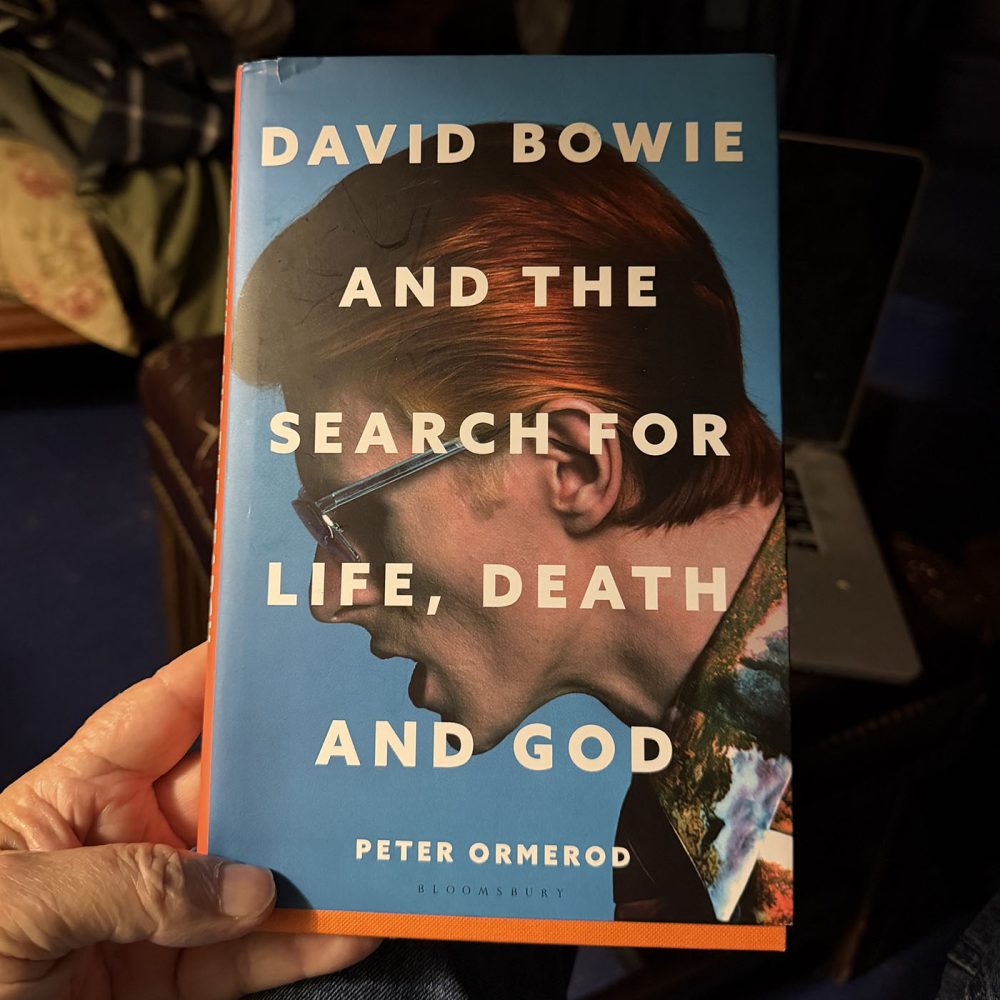
{wild bubble} Book review: David Bowie and the Search For Life, Death, and God
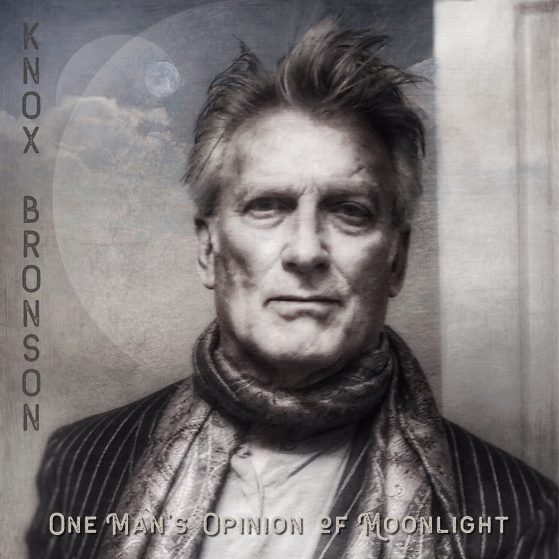
One Man’s Opinion Of Moonlight
Pop Down The Years