
Welcome to the website of
Knox Bronson, accomplished roué & cat lover.
I’ll be famous when I’m dead.
Recent POSTS
The Rapture of the Sun King
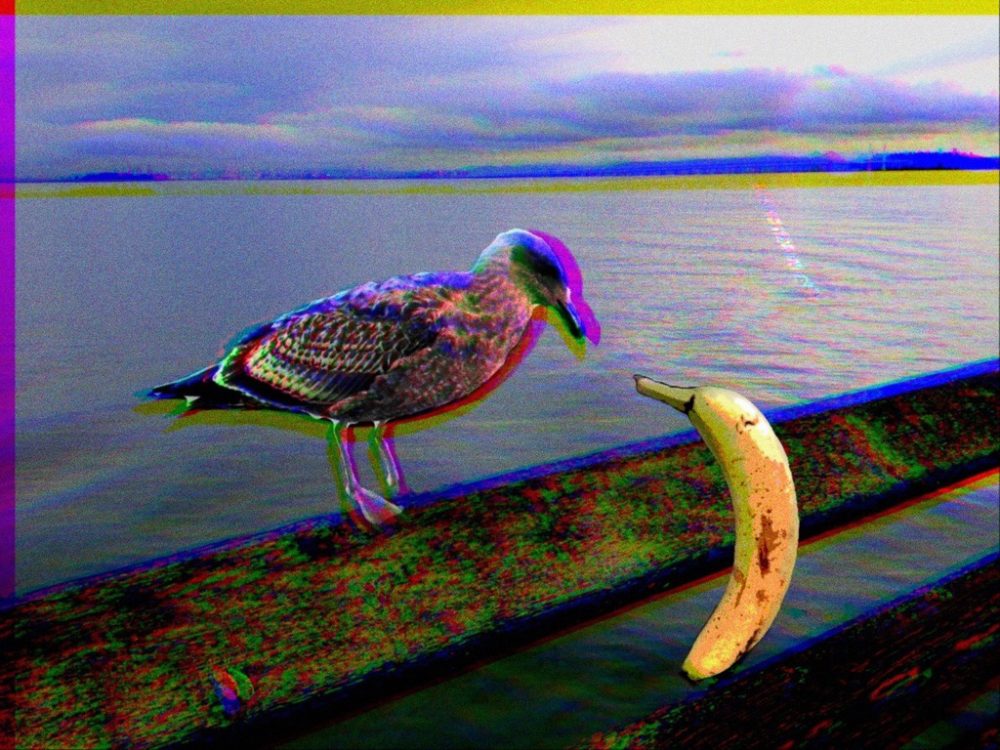
This is a reworking of an old picture. More like an un-working. My original image had a white oval vignette around the edges. I’ve decided, for the moment, anyway, that I prefer the original image borders. Either image is available as a print.
The Examination
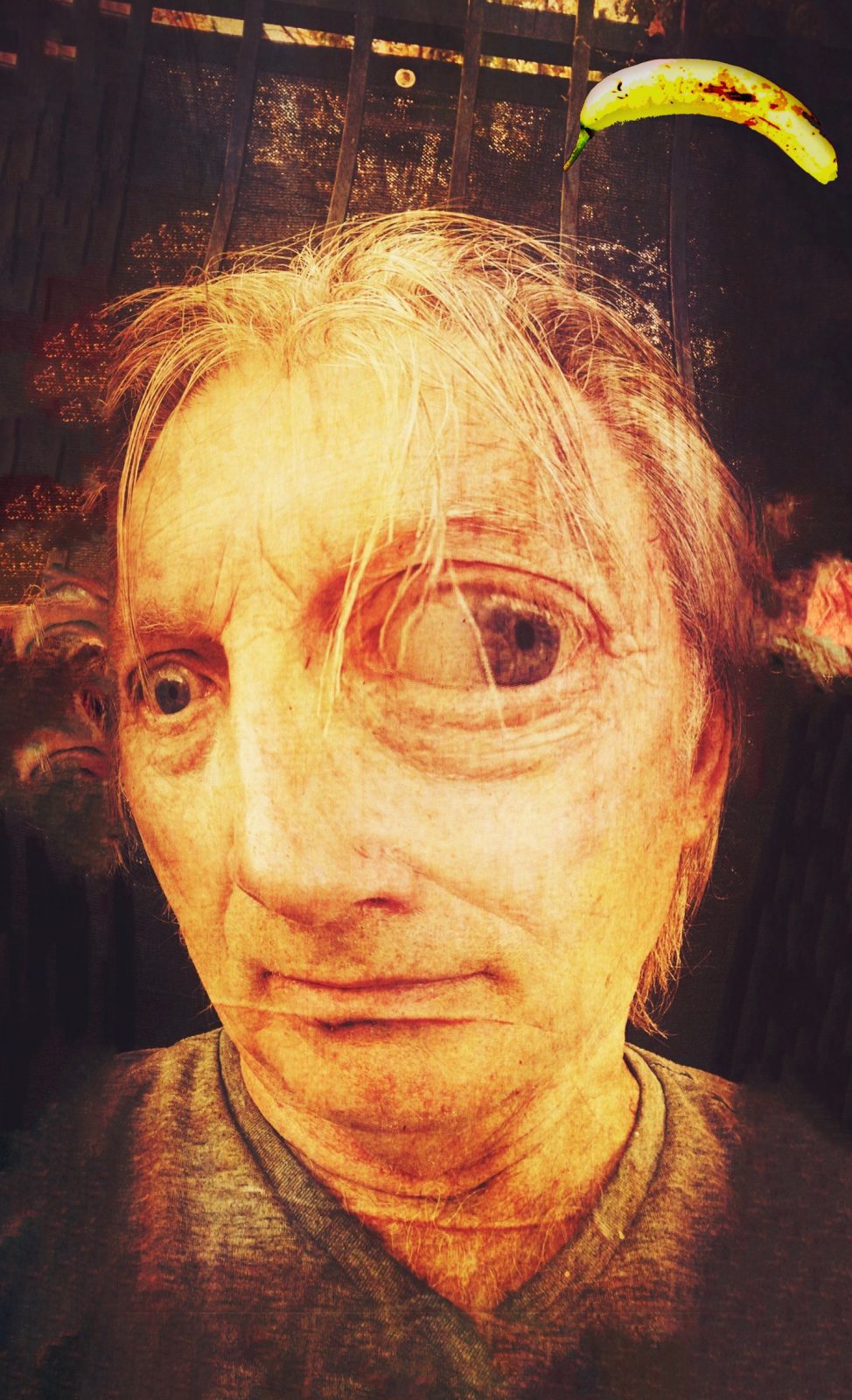
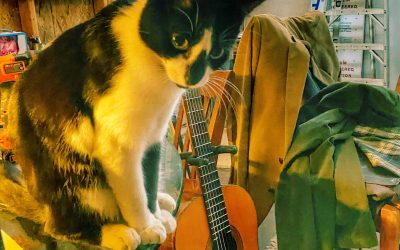
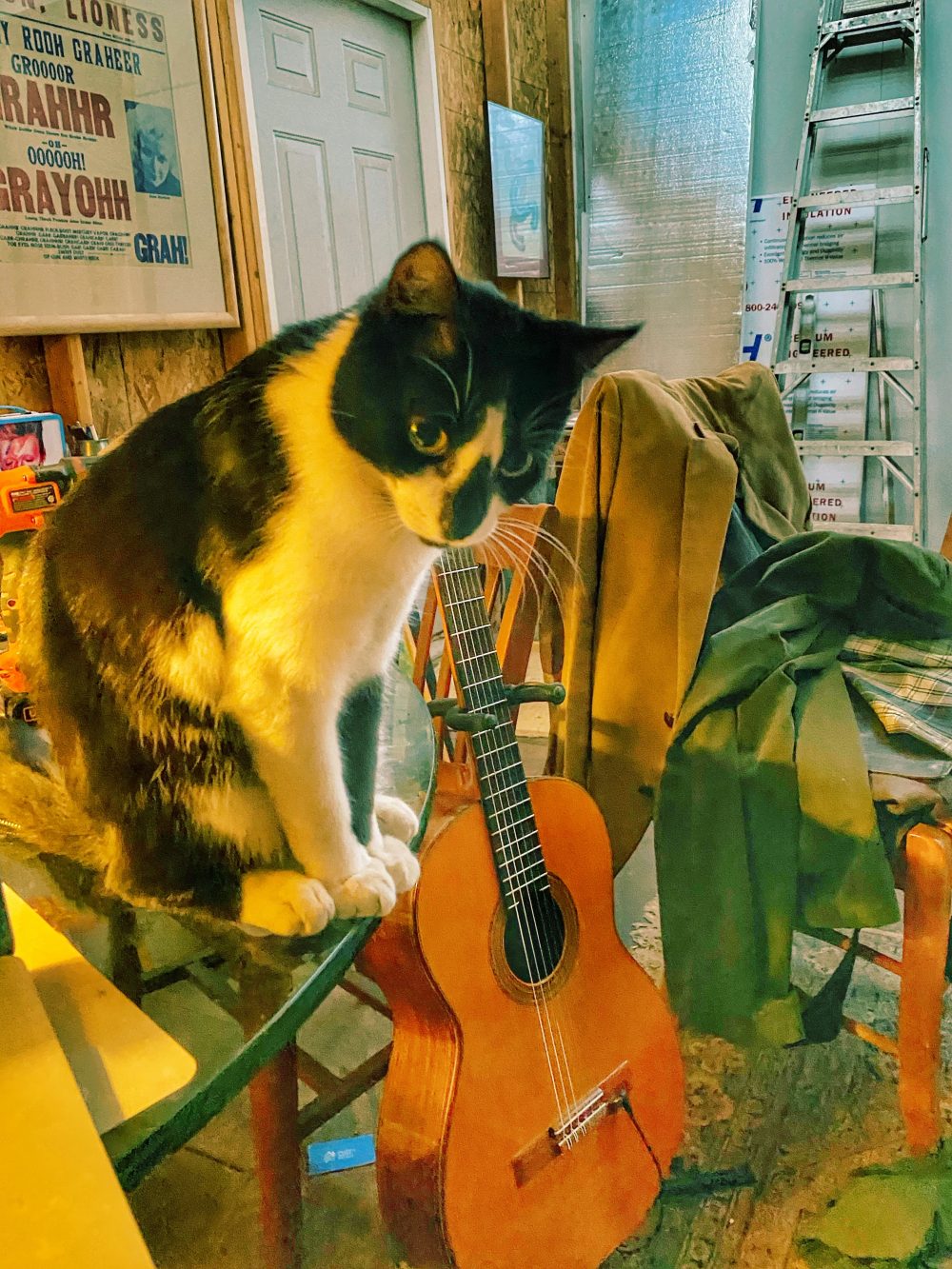
Monkey Blue & Guitar
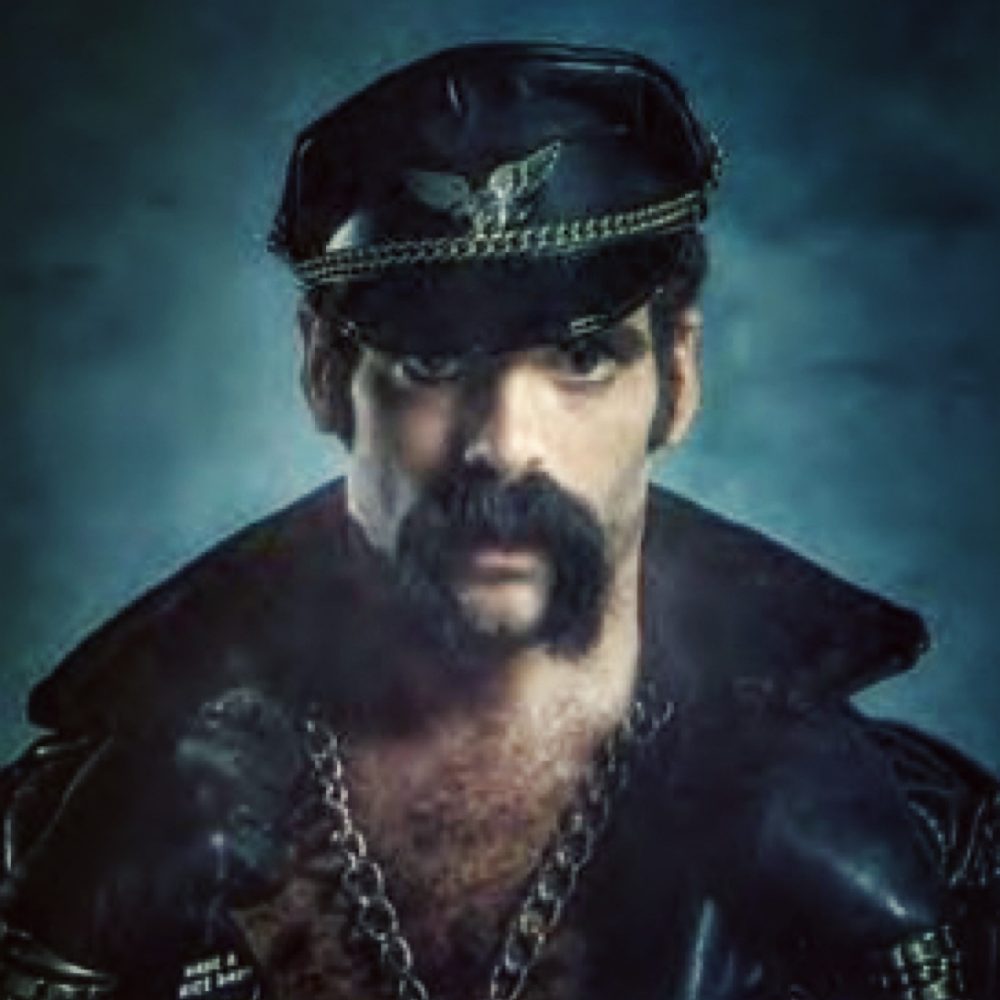
{podcast} R.I.P. The Stud
Rock Of Ages by Rick Hornby
I stole this article for my old website Sun Pop Blue and now I’m stealing it again for this site. It bears, like Strunk and White’s “Elements of Style,” re-reading every six months or so. It is a gentle reminder that music, and all art, must have a higher purpose, which artists in all media should heed. As Hornby writes: “I believe there is still a part of me that persists in thinking that rock music, and indeed all art, has an occasional role to play in the increasingly tricky art of making us glad we’re alive.”
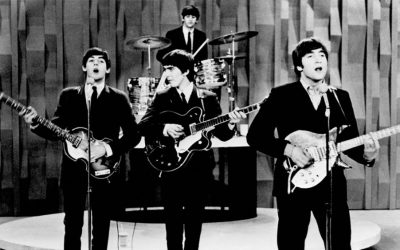
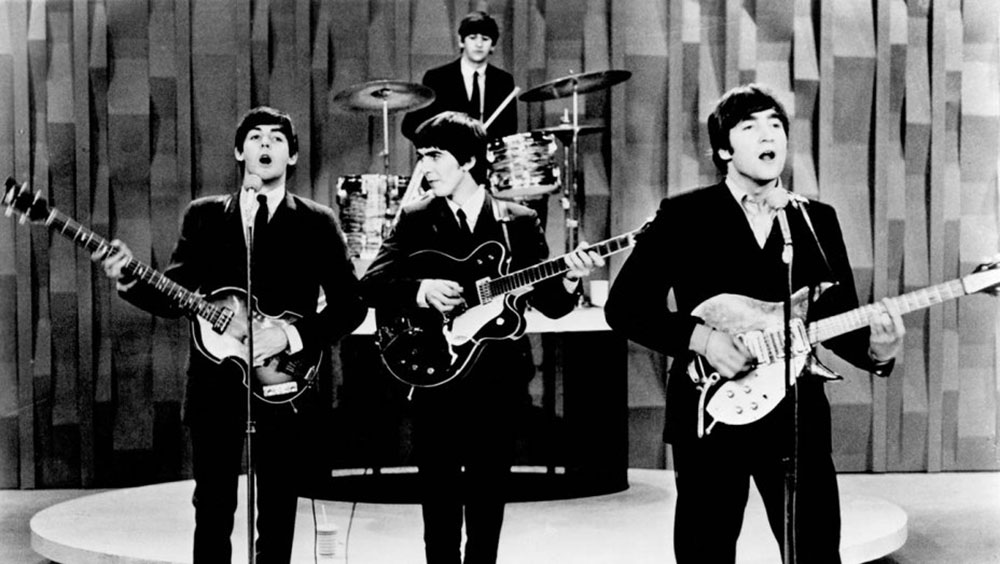
And this article is not about the Beatles, but they sure make people glad to be alive. Still. Almost sixty years later. So I’ll put a picture of them here as a reminder.
Everybody knows who Rick Hornby is, but in case you forgot, he’s the author of High Fidelity, the novel that became wonderful year 2000 chick-flick for record geeks around the world, starring John Cusack and Jack Black, along with a slew of other wonderful actors. This article was published on the New York Times OpEd page on May 21, 2004.
And herewith:
This gig happens to be taking place in a pub called the Fiddler’s Elbow, in Kentish Town, north London, but doubtless scenes like it are being played out throughout the world: a bar band, a pickup drummer from an earlier gig, probably even the table-shifting. It’s just that three or four months earlier, Bruce Springsteen, a fan of the band, invited the Bielanko brothers to share the stage with him at Giants Stadium for an encore, and Marah will shortly release what would, in a world with ears, be one of 2004’s most-loved straight-ahead rock albums, “20,000 Streets Under the Sky.” These guys shouldn’t be playing in the Fiddler’s Elbow with a pickup drummer. And they shouldn’t be passing a hat around at the end of the gig, surely? How many people have passed around the hat in the same year that they appeared at Giants Stadium?
Thirty years ago, almost to the day, Jon Landau published his influential, exciting, career-changing, and subsequently much derided and parodied article about Bruce Springsteen in The Real Paper, an alternative weekly – the article that included the line “I saw rock ‘n’ roll future and its name is Bruce Springsteen.” I had never read the rest of it until recently, and it remains a lovely piece of writing. It begins, heartbreakingly: “It’s four in the morning and raining. I’m 27 today, feeling old, listening to my records and remembering that things were different a decade ago.” I’m only guessing here, but I can imagine are a number of you reading this who can remember what it was like to feel old at 27, and how it bears no resemblance to feeling old at 37, or 47. And you probably miss records almost as much as you miss being 27.
It’s hard not to think about one’s age and how it relates to rock music. I just turned 47, and with each passing year it becomes harder not to wonder whether I should be listening to something that is still thought of as more age appropriate – jazz, folk, classical, opera, funeral marches, the usual suspects. You’ve heard the arguments a million times: most rock music is made by the young, for the young, about being young, and if you’re not young and you still listen to it, then you should be ashamed of yourself. And finally I’ve worked out my response to all that: I mostly agree with the description, even though it’s crude, and makes no effort to address the recent, mainly excellent work of Neil Young, Bob Dylan, Robert Plant, Mr. Springsteen et al. The conclusion, however, makes no sense to me any more.
Youth is a quality not unlike health: it’s found in greater abundance among the young, but we all need access to it. (And not all young people are lucky enough to be young. Think of those people at your college who wanted to be politicians or corporate lawyers, for example.) I’m not talking about the accouterments of youth: the unlined faces, the washboard stomachs, the hair. The young are welcome to all that – what would we do with it anyway? I’m talking about the energy, the wistful yearning, the inexplicable exhilaration, the sporadic sense of invincibility, the hope that stings like chlorine. When I was younger, rock music articulated these feelings, and now that I’m older it stimulates them, but either way, rock ‘n’ roll was and remains necessary because: who doesn’t need exhilaration and a sense of invincibility, even if it’s only now and again?
When I say that I have found these feelings harder and harder and harder to detect these last few years, I understand that I run the risk of being seen as yet another nostalgic old codger complaining about the state of contemporary music.And though it’s true that I’m an old codger, and that I’m complaining about the state of contemporary music, I hope that I can wriggle out of the hole I’m digging for myself by moaning that, to me, contemporary rock music no longer sounds young – or at least, not young in that kind of joyous, uninhibited way. In some ways, it became way too grown-up and full of itself. You can find plenty that’s angry, or weird, or perverse, or melancholy and world-weary; but that loud, sometimes dumb celebration of being alive has got lost somewhere along the way. Of course we want to hear songs about Iraq, and child prostitution, and heroin addiction. And if bands see the need to use electric drills instead of guitars in order to give vent to their rage, well, bring it on. But is there any chance we could have the Righteous Brothers’ “Little Latin Lupe Lu” – or, better still, a modern-day equivalent – for an encore?
In his introduction to the Modern Library edition of “David Copperfield,” the novelist David Gates talks about literature hitting “that high-low fork in the road, leading on the one hand toward Ulysses and on the other toward Gone With The Wind,’ “and maybe rock music has experienced its own version. You can either chase the Britney dollar, or choose the high-minded cult-rock route that leads to great reviews and commercial oblivion. I buy that arty stuff all the time, and a lot of it is great. But part of the point of it is that its creators don’t want to engage with the mainstream, or no longer think that it’s possible to do so, and as a consequence cult status is preordained rather than accidental. In this sense, the squeaks and bleeps scattered all over the lovely songs on the last Wilco album sound less like experimentation, and more like a despairing audio suicide note.
Maybe this split is inevitable in any medium where there is real money to be made: it has certainly happened in film, for example, and even literature was a form of pop culture, once upon a time. It takes big business a couple of decades to work out how best to exploit a cultural form; once that has happened, “that high-low fork in the road” is unavoidable, and the middle way begins to look impossibly daunting. It now requires more bravery than one would ever have thought necessary to try and march straight on, to choose neither the high road nor the low. Who has the nerve to pick up where Dickens or John Ford left off? In other words, who wants to make art that is committed and authentic and intelligent, but that sets out to include, rather than exclude? To do so would run the risk of seeming not only sincere and uncool – a stranger to all notions of postmodernism – but arrogant and vaultingly ambitious as well.
Marah may well be headed for commercial oblivion anyway, of course. “20,000 Streets Under the Sky” is their fourth album, and they’re by no means famous yet, as the passing of the hat in the Fiddler’s Elbow indicates. But what I love about them is that I can hear everything I ever loved about rock music in their recordings and in their live shows. Indeed, in the shows you can often hear their love for the rock canon uninflected – they play covers of theReplacements’ “Can’t Hardly Wait,” or the Jam’s “In the City,” and they usually end with a riffed-up version of the O’Jays’ “Love Train.” They play an original called “The Catfisherman” with a great big Bo Diddley beat, and they quote the Beatles’ “Tomorrow Never Knows” and the Who’s “Magic Bus.” And they do this not because they’re a bar band and people expect cover versions, but because they are unafraid of showing where their music comes from, and unafraid of the comparisons that will ensue – just as Bruce Springsteen (who really did play “Little Latin Lupe Lu” for an encore, sometimes) was unafraid.
It was this kind of celebration that Jon Landau had in mind when he said in his review that “I saw my rock ‘n’ roll past flash before my eyes.” For Mr. Landau, the overbearing self-importance of rock music of the late 60’s and early 70’s had left him feeling jaded; for me, it’s the overbearing self-consciousness of the 90’s. The Darkness know that we might laugh at them, so they laugh at themselves first; the White Stripes may be a blues band, but their need to exude cool is every bit as strong as their desire to emit heat, and the calculations have been made accordingly: there’s as much artfulness as there is art.
In truth, I don’t care whether the music sounds new or old: I just want it to have ambition and exuberance, a lack of self-consciousness, a recognition of the redemptive power of noise, an acknowledgment that emotional intelligence is sometimes best articulated through a great chord change, rather than a furrowed brow. Outkast’s brilliant “Hey Ya!,”a song that for a few brief months last year united races and critics and teenagers and nostalgic geezers, had all that and more; you could hear Prince in there, and the Beatles, and yet the song belonged absolutely in and to the here and now, or at least the there and then of 2003.
Both “Hey Ya!” and Marah’s new album are roots records, not in the sense that they were made by men with beards who play the fiddle and sing with a finger in an ear, but in the sense that they have recognizable influences – influences that are not only embedded in pop history, but that have been properly digested. In the suffocatingly airless contemporary pop-culture climate, you can usually trace influences back only as far as Radiohead, or Boyz II Men, or the Farrelly Brothers, and regurgitation rather than digestion would be the more accurate gastric metaphor.
The pop music critic of The Guardian recently reviewed a British band that reminded him – pleasantly, I should add -of “the hammering drum machine and guitar of controversial 80’s trio Big Black and the murky noise of early ThrobbingGristle.” I have no doubt whatsoever that the band he was writing about (a band with a name too confrontational and cutting-edge to be repeated here) will prove to be one of the most significant cultural forces of the decade, nor that it will produce music that forces us to confront the evil and horror that resides within us all.
However, there is still a part of me that persists in thinking that rock music, and indeed all art, has an occasional role to play in the increasingly tricky art of making us glad we’re alive. I’m not sure that Throbbing Gristle and its descendants will ever pull that off, but the members of Marah do, often. I hope they won’t be passing around the hat by the end of this year, but if they are, please give generously.
Here’s Marah from 2006. I don’t think they ever made it past bar band and you can see the reasons why immediately:
- The lead singer mostly sings with his eyes closed. That is the mark of an amateur. Admittedly, the aforementioned Springsteen god, and the lead singer Thom Yorke, mostly sing with their eyes closed, but they are the very rare exceptions to this rule.
- It looks like at least three of them are wearing hats. Bad form, instant game ejection. You can only have one hat per band, unless you are a jazz band, a country and western band, a hippie jam band, or ZZ Top, but never a rock band.
{podcast} Sunday, May 17: The Day Is Wide Open
Podcasts
Riding the Wild Bubble
FRISCO: The Secret History
BOOKS—Masterpieces All
FLAPPING
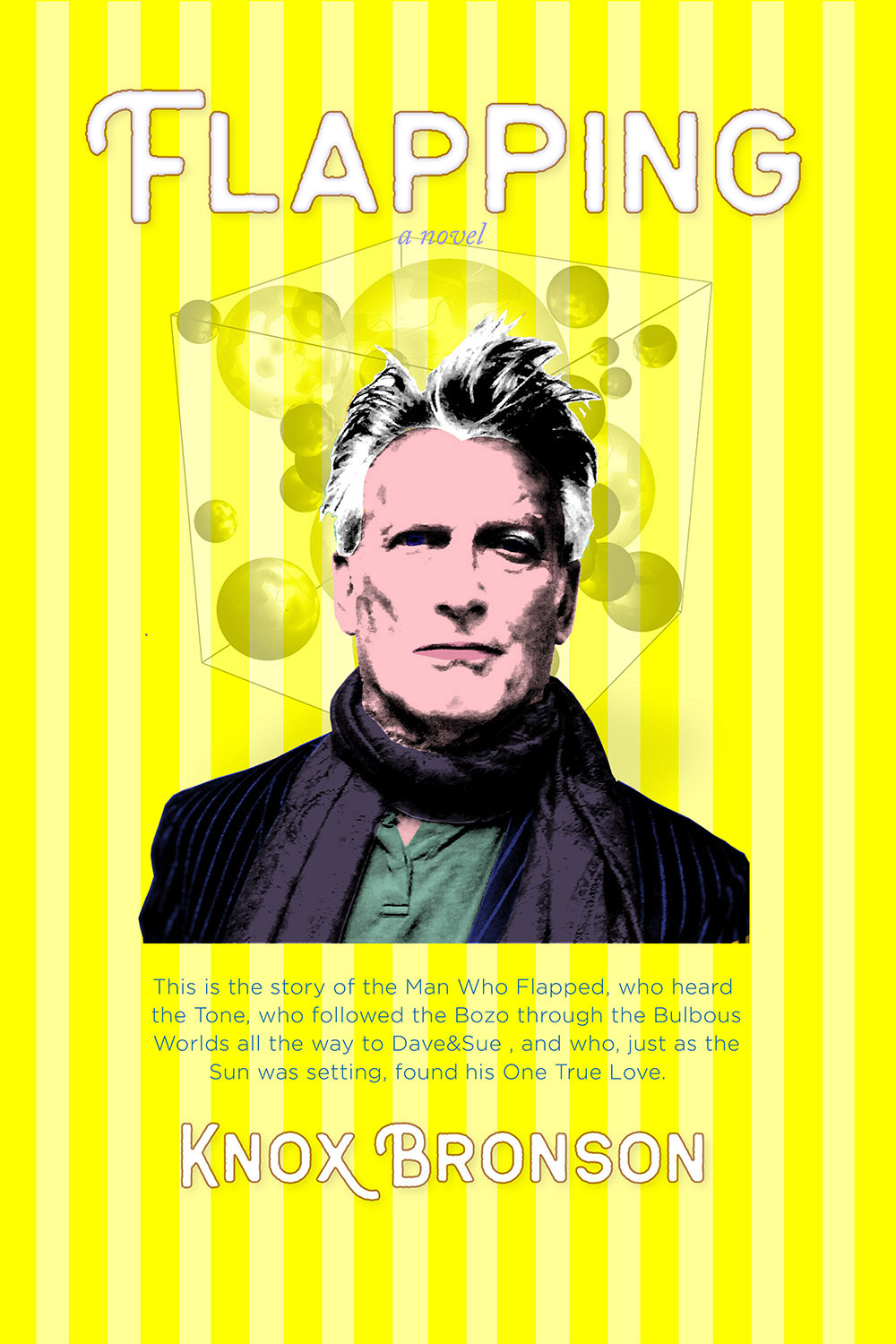
Chervil Orbane, a youngish man living alone in the San Francisco Bay area, has awakened flapping. And knows it.
Two agencies–one extra-dimensional, one a super-secret government entity – know it also. And they want Chervil, for the furtherance of very different agendas.
An allegory, Flapping hews to classic epic form (the call, the journey, the dying, and the rebirth) in bite-size chapters, with diagrams, charts, and graphs to assist the reader in grasping essential concepts underlying Flapping — Chervil Orbane’s saga, his moment of clarity, the great epiphany, the big ideas, the good guys, the bad guys, the gratuitous sex, the refreshing absence of name brand pop-culture icons, a predictably cinematic happy ending, the ipso and the facto, as it were, of nuevo-millennial metaphysical thought.
FLAPPING comes with its own cd soundtrack – Flight of the Atom Bee. This wonderful CD has been remastered for maximum fidelity. Flight of the Atom Bee is a haunting, beautiful, and otherworldly suite charting the erotic, tensile fields that bridge harmony, melody, and undiluted electronic sound.
PIXELS AT AN EXHIBITION
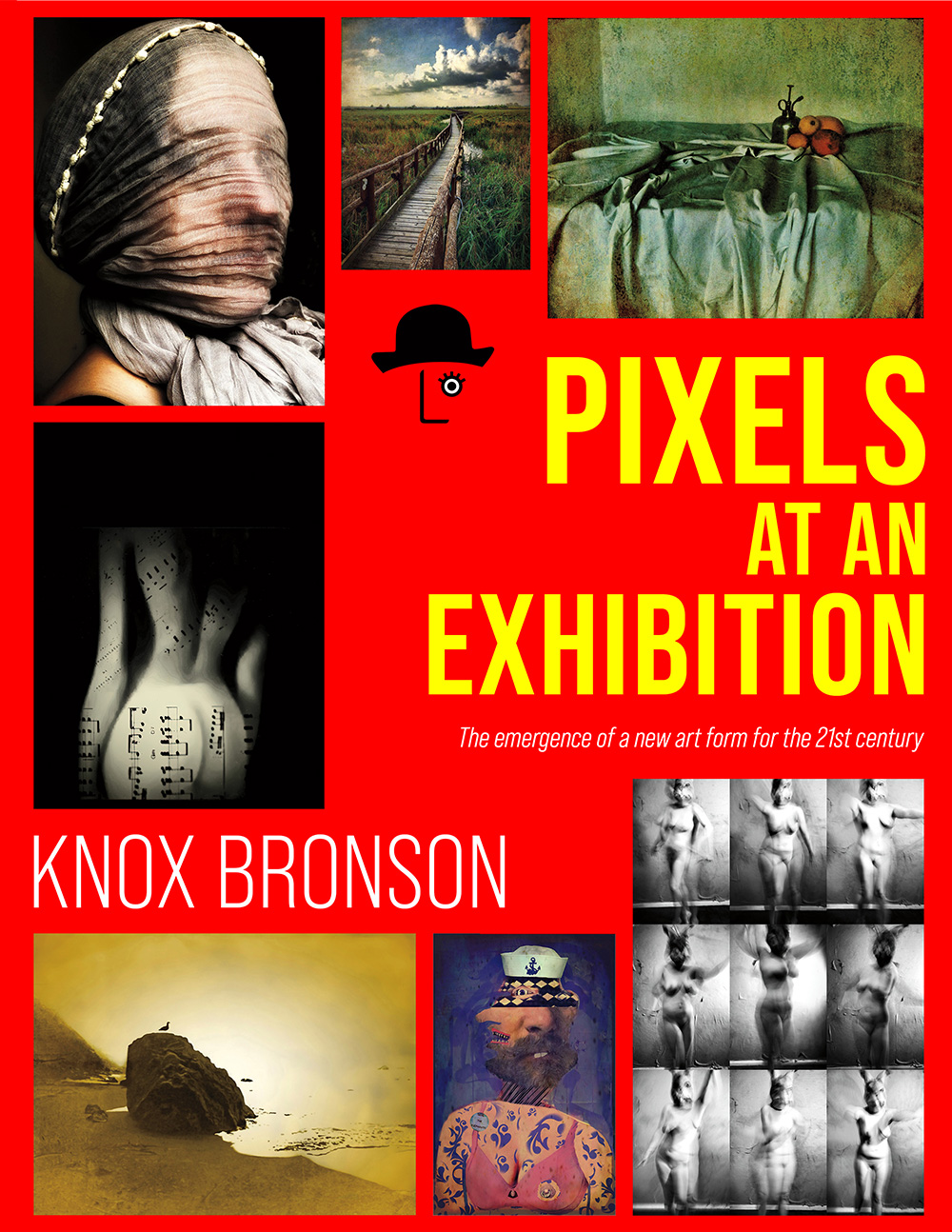
The emergence of a new art form for the twenty-first century, inspired by, shot with, and processed on the iPhone.
Pixels At An Exhibition documents the unexpected emergence of a new art form for the twenty-first century, one based on the technology of the iPhone, its limited camera and buggy apps, to create a new kind of magical realism. Combining camera and darkroom, canvas and paintbrush in one tiny device, the iPhone inspired the birth of a global art movement. Pixels At An Exhibition features the best of the pioneering artists and galleries culled from the 33,000 curated images on the Pixels website, many available nowhere else.
I finished, after three-and-a-half years of curation, writing, design, layout, and production, my history of the early years of iPhone photography and art, PIXELS AT AN EXHIBITION, 370 pp, 177 artists, 600+ images.
iBook for iPAD or Mac on the Apple Bookstore $14.95
Hardbound copy available at Lulu.com $99
THE RISE AND FALL OF THE HONEYBUN EMPIRE
Riding the Wild Bubble Berkeley To Frisco To Hollywood To Las Vegas & Back; Intimations Of Immortality On The Technicolor Lam, Sober.
In 1999, I wrote a semi-naughty, mostly humorous article for Salon.com entitled “The Gentlemanly Art of Spanking” under the nom-de-plume Carson Fitzgerald. It became one of the fifty most-read stories of the year, generating a huge reader response.
A couple years later, I had the idea to make spanking kits and sell them online. It used to be that if one was first to the web with a product, one was guaranteed success. The HoneyBun Spanking Kit was the exception that proved the rule. Nonetheless, it was a cute product and, just as I was finishing the HoneyBun website, I was forced to leave Oakland under threat of death as a witness to some drunks firing their guns up the street from his apartment—no one was injured—so the book began as a road story.
I packed up a carton of spanking kits, his guitar and clothes, and headed south to LA and Hollywood. He then began writing email updates to all my friends in the Bay Area and elsewhere.
After a time, some friends encouraged me to turn the emails and the ongoing story into a book. This is the book. The book is a kaleidoscopic memoir—coming of age in Berkeley in the 60s, San Francisco in the 70s, a brief chapter about the 80s, and one about early sobriety in 90s. A fair amount of spirituality, commentary on materialism, the JFK assassination. Enjoy the ride!
Albums
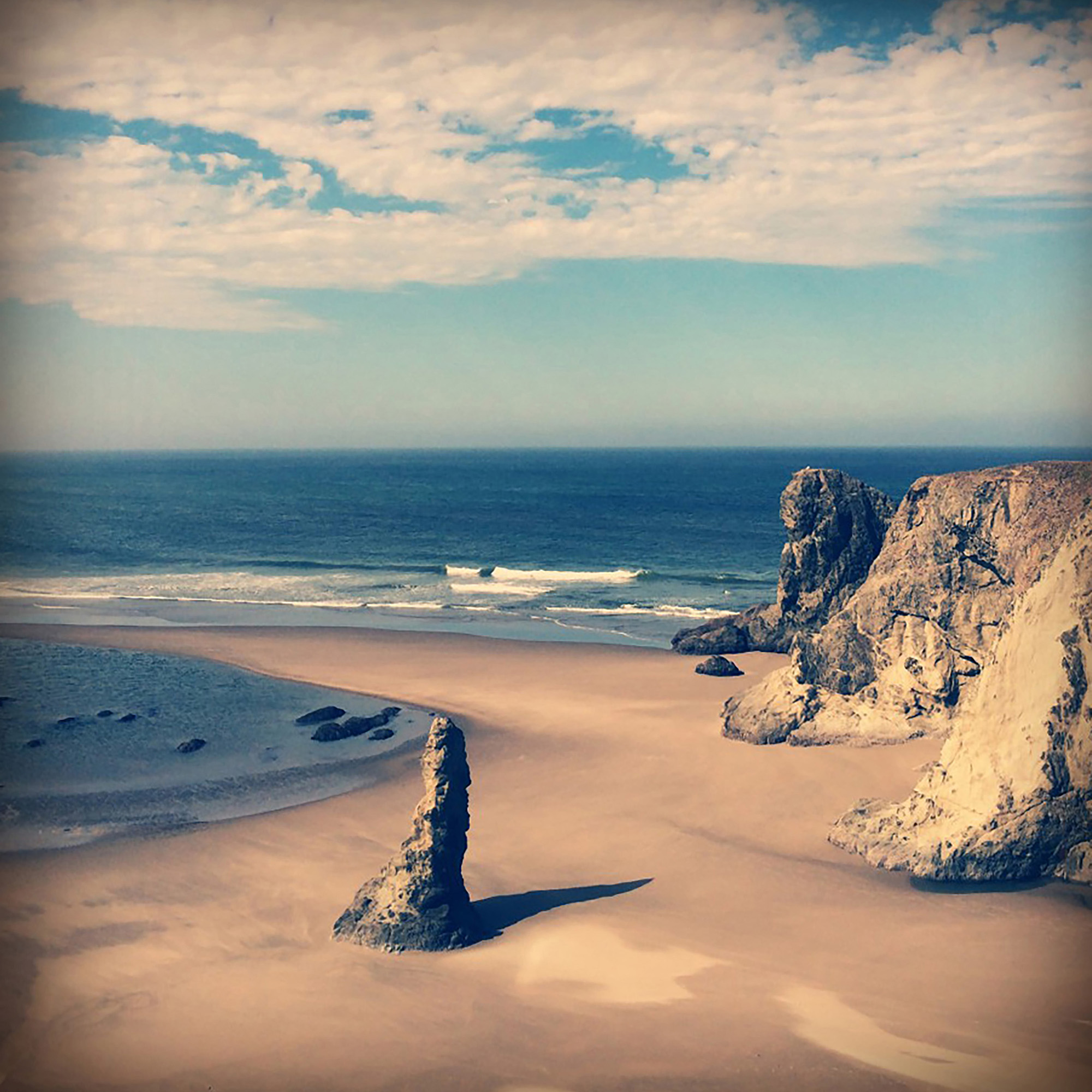
Pacifica, released Nov. 10, 2025
Six gorgeous electronic/orchestral works. On all stream platforms except Spotify. Listen and download for free at Bandcamp.
Flight of the Atom Bee
My first cd, Flight of the Atom Bee, is a collection of instrumental pieces, strange and beautiful, featuring a lot of early analogue synthesizer technology along with an Emu SP-12 drum machine, a Jupiter 8x-P digital/analogue hybrid, and all sorts of outboard processors. To say I didn’t know what I was doing as I plunged back into modern music production is an understatement. But I heard sounds in my head I had to bring forth. It was an exhilarating time as I made my way by trial and lots of error.
Inspired by the weird fiction of Cordwainer Smith, Flight of the Atom Bee is a technicolor romp through the, bold, bright, and beautiful realms of analog synthesis.
Also available on Spotify, Apple Music, Amazon, etc.
Pop Down The Years
My first vocal cd, Pop Down The Years, garnered some good reviews. Eight original songs, one Donovan cover.
Also available on Spotify, Apple Music, Amazon, etc.
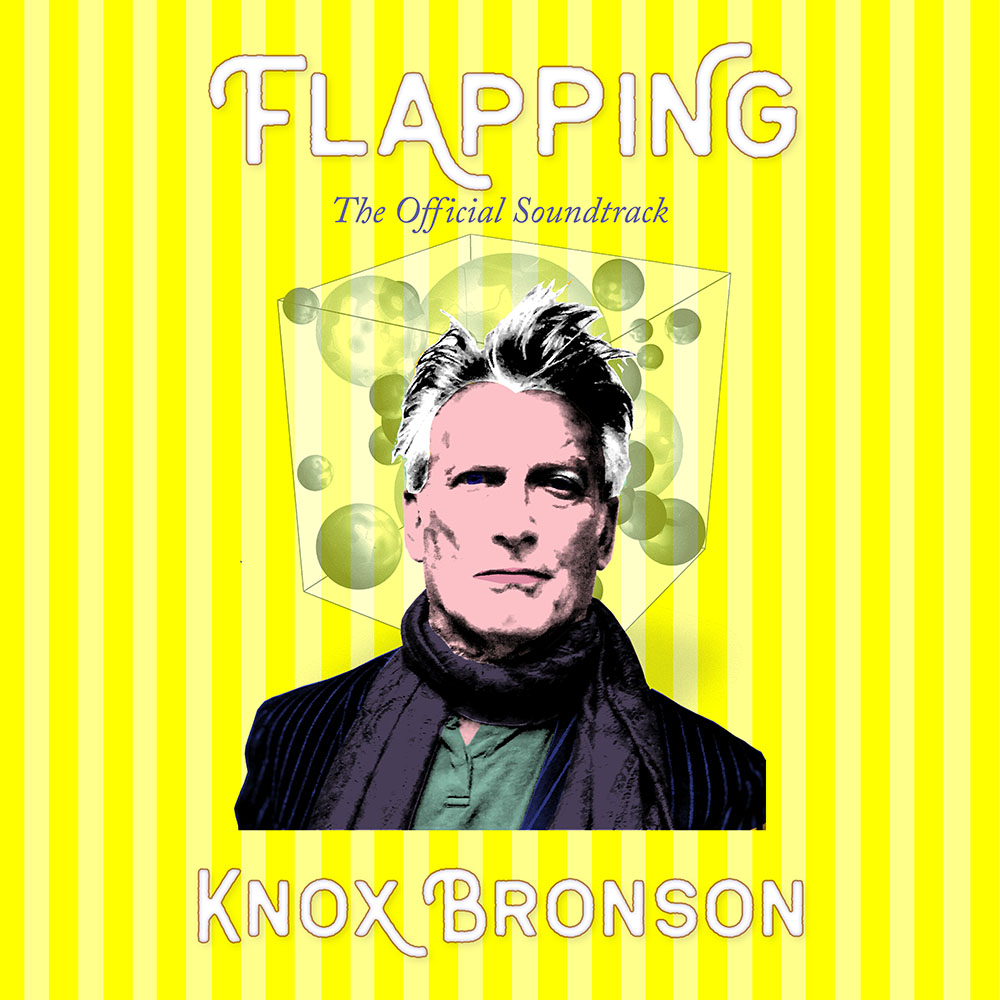
Flapping, The Official Soundtrack
Flapping—The Official Soundtrack, when it was first published as a paperback, came with a cd, my album, “Flight of the Atom Bee.” When I decided to publish it again as an e-Book on Apple Books, I thought I would release a new official soundtrack to go with it.
It’s really the greatest hits from Flight of the Atom Bee and Deus Sex Machina.
Also available on Spotify, Apple Music, Amazon, etc.
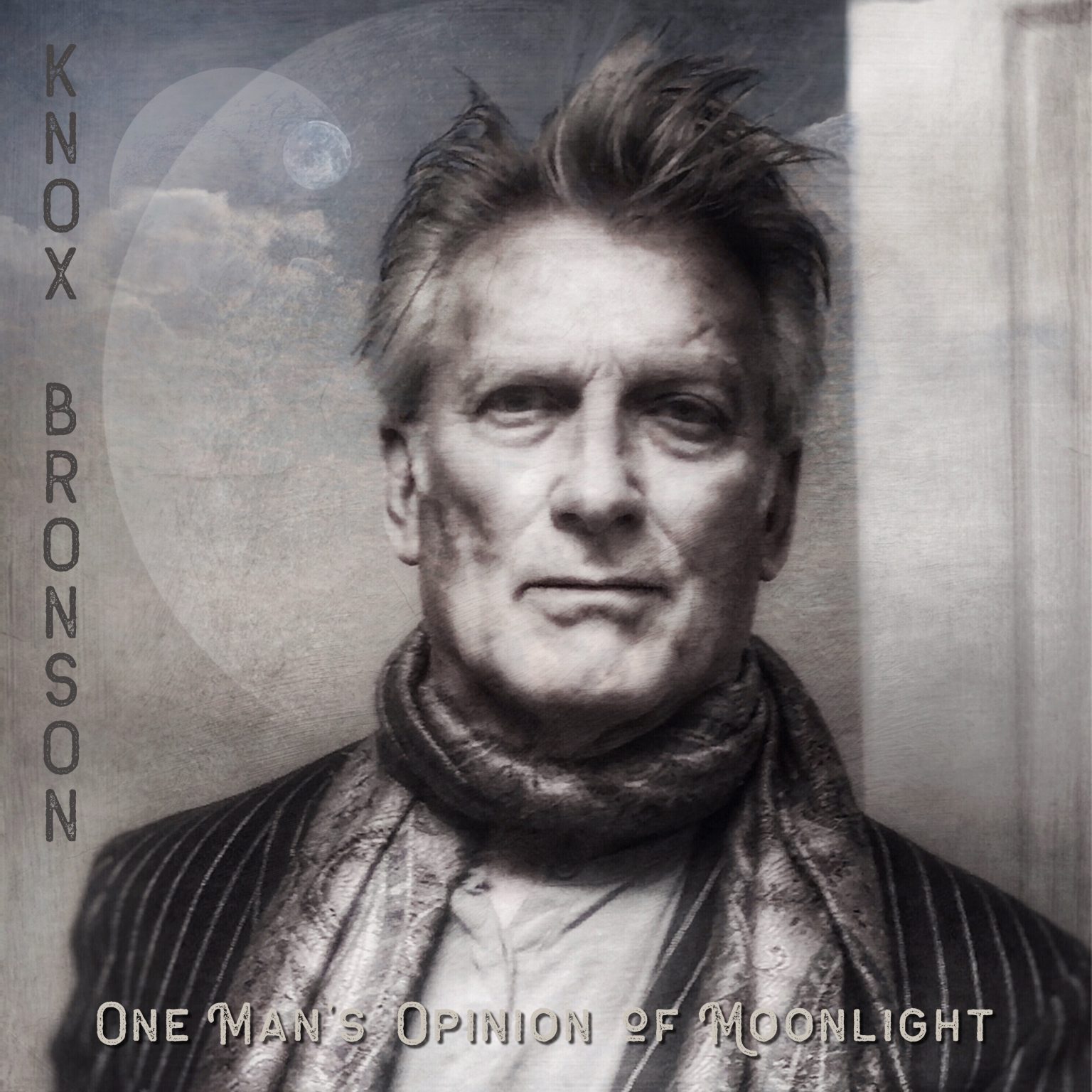
One Man's Opinion of Moonlight
On Valentine’s Day, 2020, I released my second vocal cd. One Man’s Opinion Of Moonlight.
It’s an album of cover songs, ballads from the sixties and seventies, with one jazz standard, Autumn Leaves, and one original, Pop Down The Years, which is a love song to all the songs and music with which I grew up. The album title is one line from Young Girl Blues, written by Donovan, from his 1967 classic album, Mellow Yellow.
The album includes some of the songs that shaped my romantic ideals in my youth, a collection of songs from the era when “love almost conquered.”
Also available on Spotify, Apple Music, Amazon, etc.
the seasons | remixed/remastered
some distance, now, from the original composing of the seasons i must say that my understanding of the dire situation in which i found myself and the subsequent resolution and release through the act of creation abides, stronger than ever. i rightly intuited, as i neared its completion, that the arc of the seasons followed campbell’s archetypal hero’s journey in a most wonderful way. i would ascribe the elements of the story thusly:
summer of ‘68 ~ the call & crossing the threshold
autumnal sun ~ the road of trials, meeting with the goddess & diving into the abyss
winter blue ~ death, rebirth, transformation & atonement
the forever spring ~ the magic flight, the crossing of the return threshold & freedom to live
Buy it on Bandcamp! (It’s available for free download, leftover from the COVID lockdown era.)
Also available on Spotify, Apple Music, Amazon, etc.
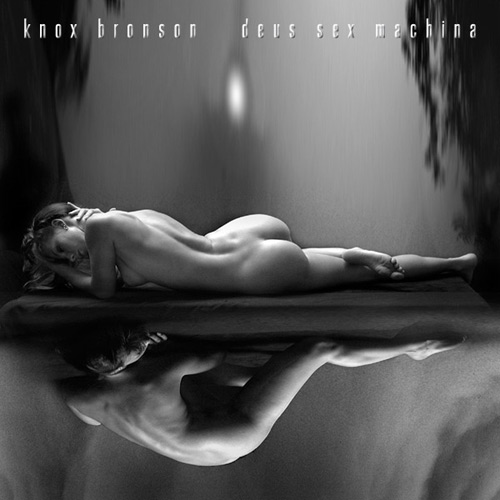
Deus Sex Machina
Deus Sex Machina is another collection of electronic/orchestral works. I consider them to be mid-period works. I finally had a grasp on the technology and had gained a fair amount of confidence in my arranging abilities. A couple of these pieces—Ubi Mel Ibi Apes (where there is honey, there are bees) and 3 Seconds Before Maia Smiled—are in the permanent collection of The San Francisco Museum of Modern Art as a part of a multi-media installation that ran for six months in 1999, Glenn McKay’s Altered States.
Also available on Spotify, Apple Music, Amazon, etc.
Photography
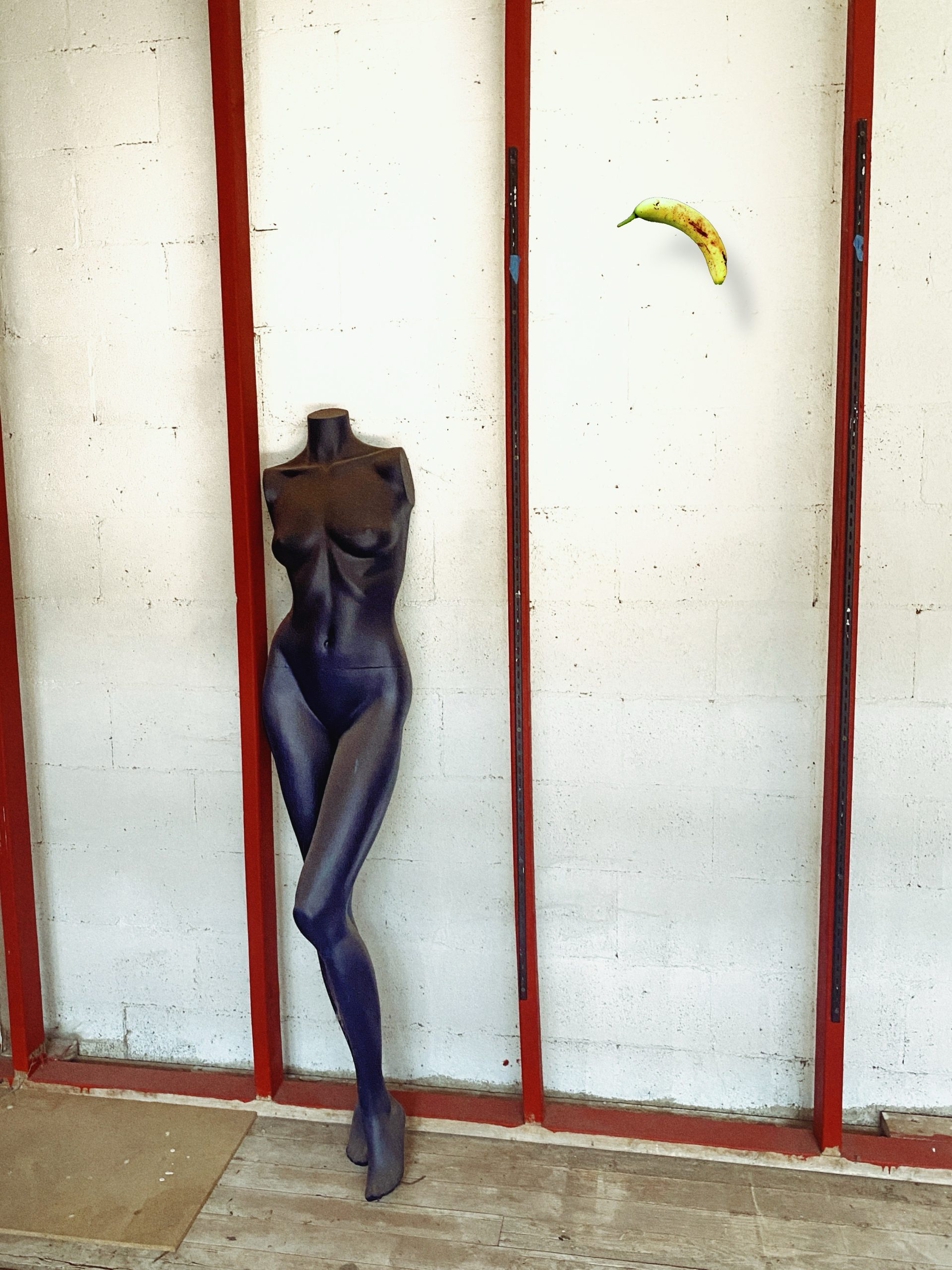
Recent Works
You can find more in the Gallery section of the site.
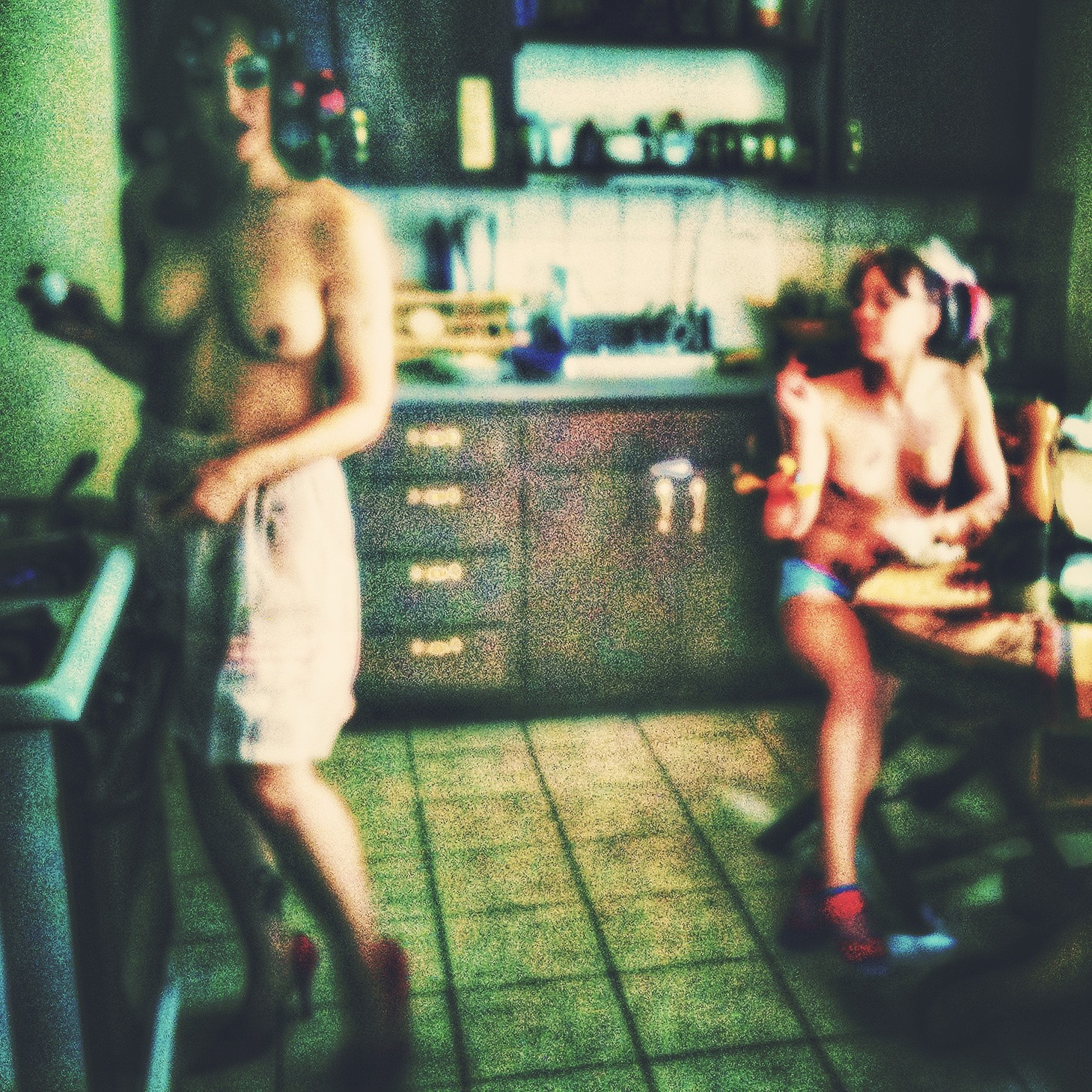
Nudes
All sorts of naked women.
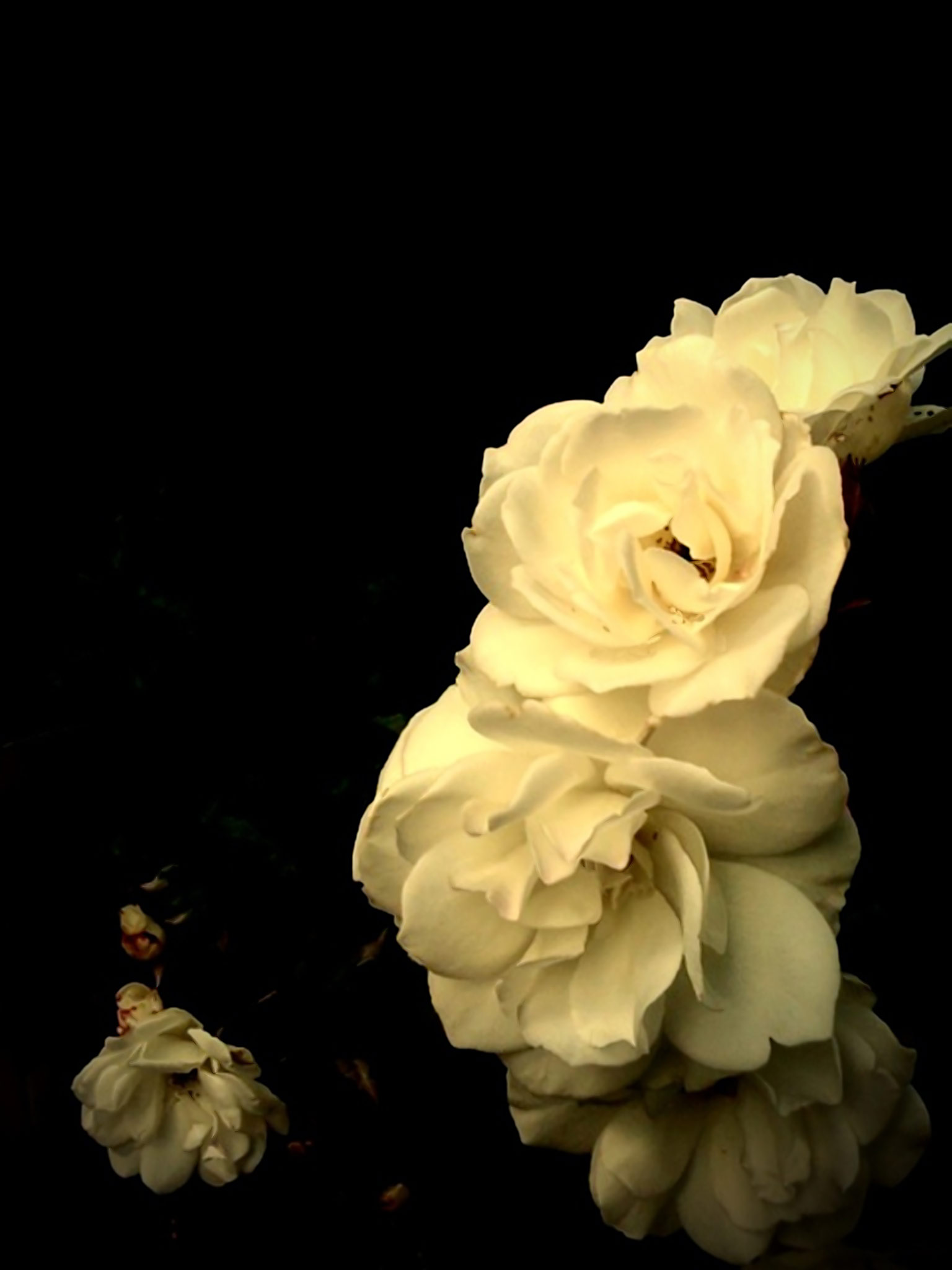
Flora
An astrologer told me once, “Knox, we know you love women and flowers. It’s all Venus.”
Referring to the fact that I have Venus in Scorpio in my astrological chart.
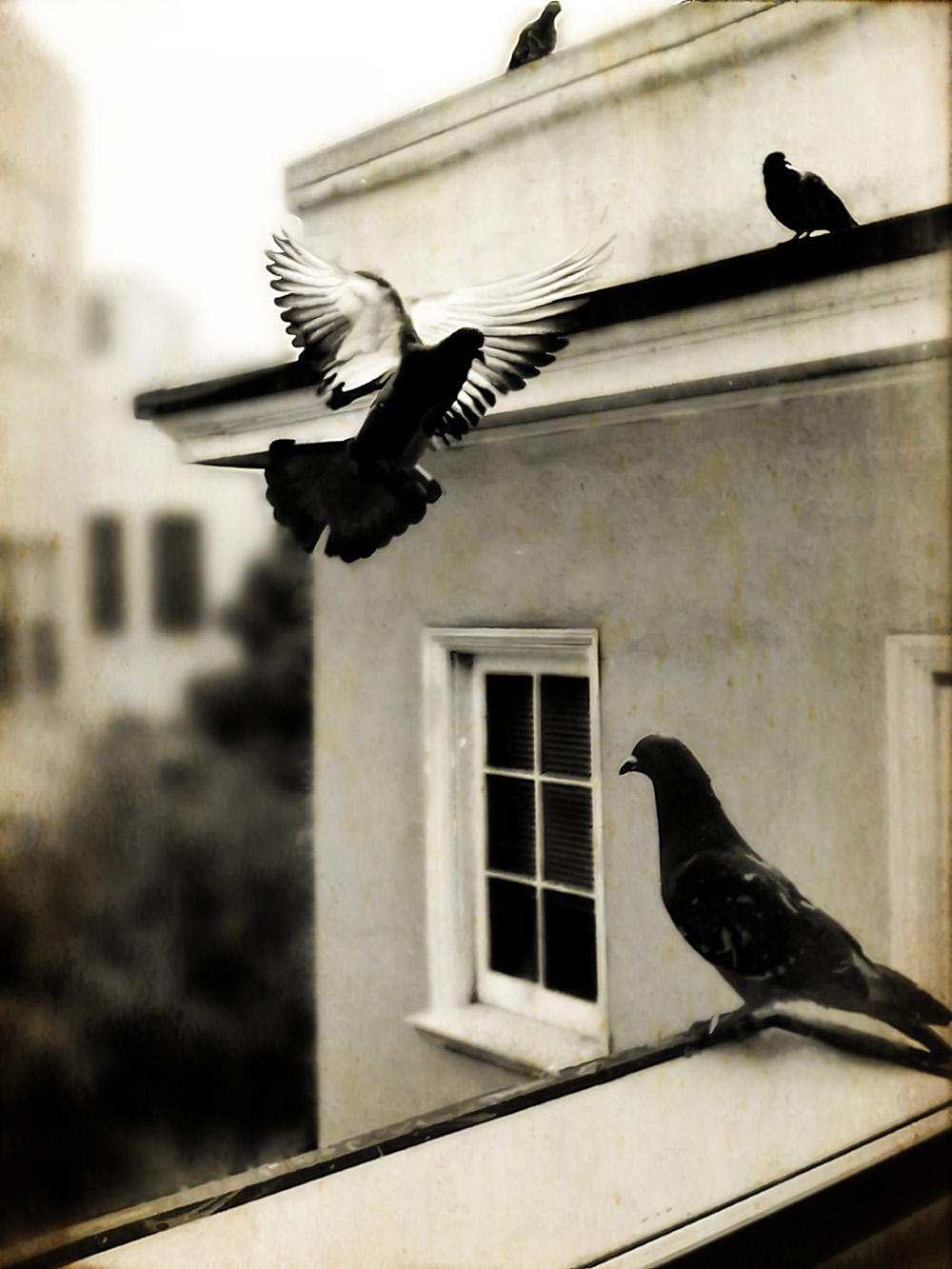
Fauna
Pictures of animals, lots of cats.
The Sun King series
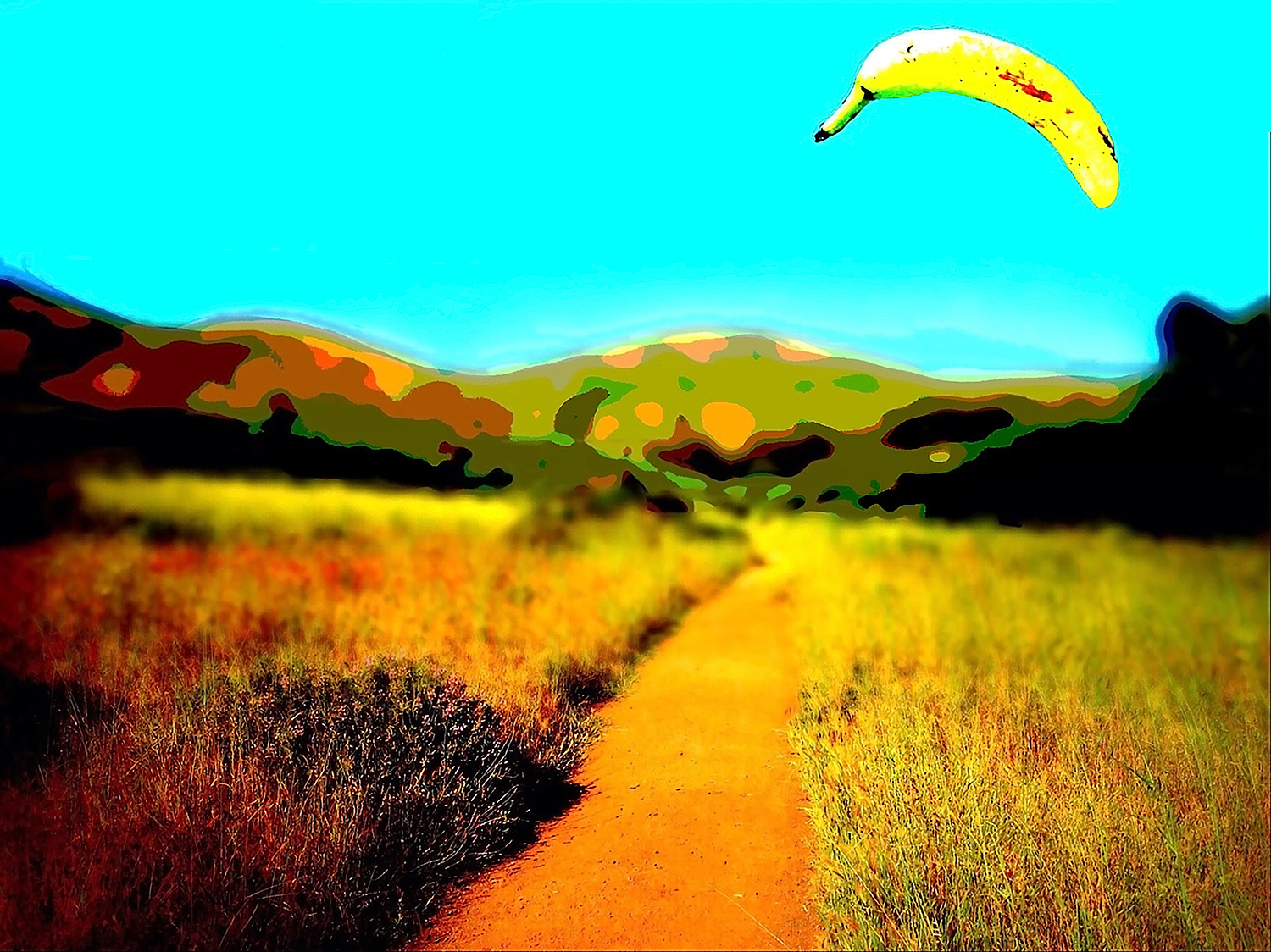
I was looking at this picture and the thought entered my head, “You need to put a banana in the sky.” I rode my bike down to the produce market and bought a banana, the right banana, went home and put it in the sky. I’ve been putting the same banana into pictures for ten years.
Early Work 2010-2011
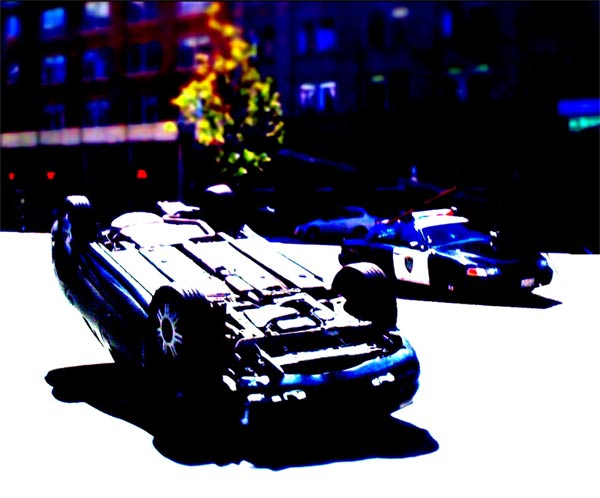
Still some of my favorites. I loved the iPhone 3gs, the terrible camera and all the buggy apps.
The Pierce Street Community Garden

I hit Coalinga hard in early August, 2016, drummed out of Oakland by a jealous landlady and skyrocketing rents.
Years before, tweakers had trashed the little house into which I was to move. It had been empty since then and it showed. I slept on a foam pad on the floor as I worked to make the place livable. My only furniture was a lawn chair. I lived on roast chicken from SavMart, Starbucks breakfast sandwiches, and burritos from Tres Agaves, the all-night taqueria which serves the best food in town. The temperature hovered around a hundred and five degrees every day and the swamp cooler attached to the house was non-functional. Truth be told, I had never seen a swamp cooler before and I didn’t know what it was.
Read the whole story of one of my proudest accomplishments here.
Videos
There are tons of videos on this site. Here’s a link to the “Music Videos page“. Here’s a link to the “Art Videos” page. Here’s link to the “Weirder Videos” page.
My cover of Marty Balin’s Coming Back To Me was on my album, One Man’s Opinion of Moonlight, just me and guitar. However, a year or two later I returned to the song and listened to the piano part my friend Rachel Efron had played for it during our late night session. Producer Rick Baretta and I had decided not to use it on the album release. I thought I would see what I could come up with in terms of a minimal arrangement, cello, strings and oboe. And Rachel’s piano, of course. What Rachel does as we go into the bridge kills me every time.
The Most Beautiful Day in the History of the World
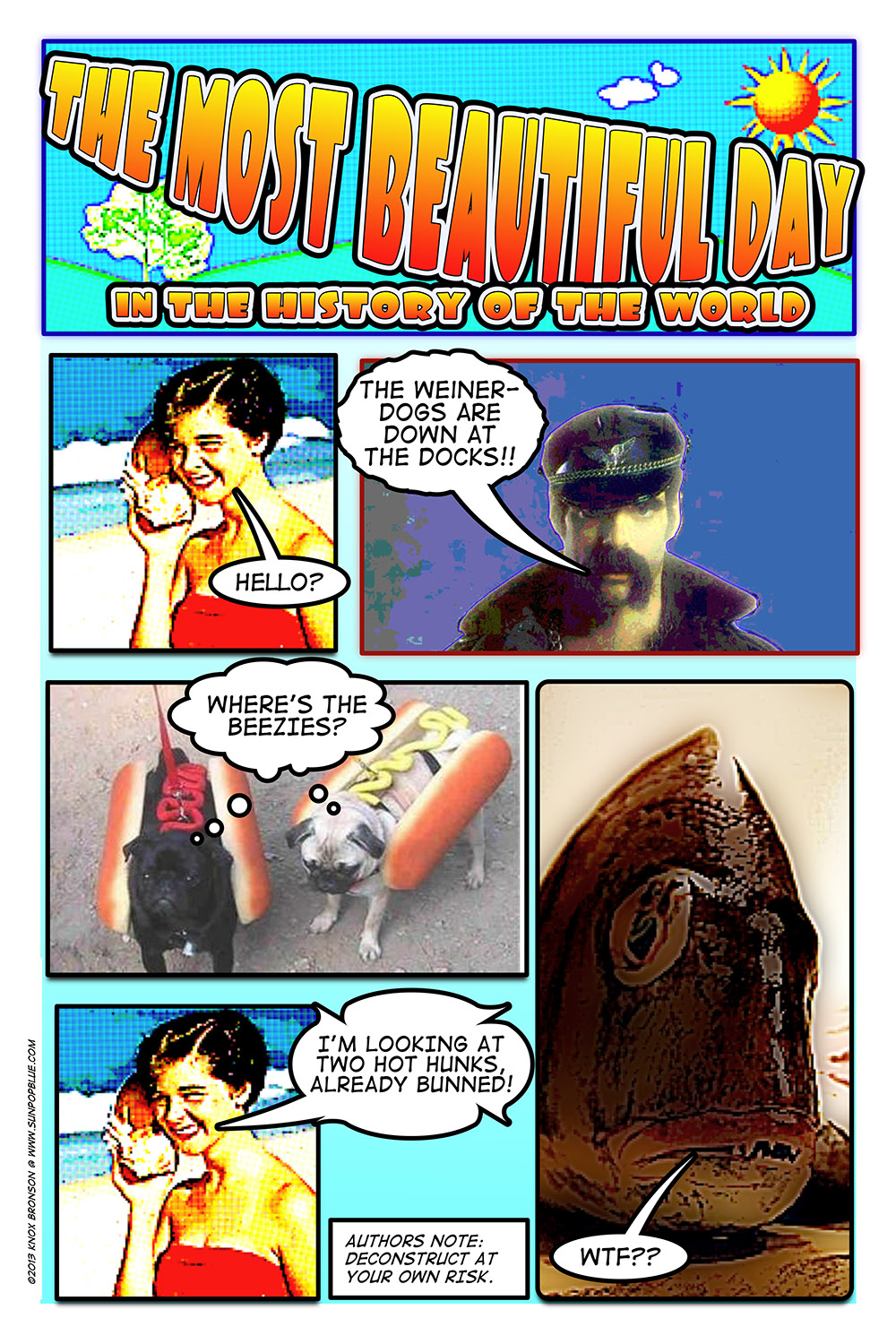
I remember the day I received this cartoon from my friend, Gus, via email. I was immediately inspired and made a few over the next few weeks. I still make them from time to time. Available as limited edition archival prints or on a commission basis. Contact me if interested.