
Welcome to the website of
Knox Bronson, accomplished roué & cat lover.
I’ll be famous when I’m dead.
Recent POSTS
note to self re: musical goals
sunday night wrap up. p1xels update. a cat meows. keep your powder dry.
Bulbous and Flapping video (from the cd “Deus Sex Machina”)
I will be discussing this and the other songs from Deus Sex Machina shortly. In the meantime, enjoy this video I created by appropriating the wonderful 1934 cartoon Bimbo’s Initiation by Max Fleischer. I think they go incredibly well together.
New Single: Take Me Down [live]
You should buy this, along with all my other music.
happy birthday P1xels~the art of the iphone: 4 years today!
Song-by-Song ~ World’s Night from Flight of the Atom Bee

USS Arizona burning at Pearl Harbor (from http://www.aviation-history.com/airmen/pearl.htm)
World’s Night is the third to the last song on the album, Flight of the Atom Bee, following The Blue Man Wept and preceding When We Were Machines.
World’s Night began, that is to say, the initial inspiration came from the drums, specifically the kick drum pattern that opens the song. I was using the Emu SP-1200 drum machine and programming it from my Mac using that great old program StudioVision from Opcode (and may the dweebs of my generation at the Gibson Guitar Company be forced to listen to an eternity of Vanilla Ice songs for buying Opcode for the hardware and letting its excellent software die).
I started building on that, adding the second kick and then the bass organ part, the flute and Moog synth lines. (I later discovered a similar flute/bass arrangement on a Massive Attack song, Karmacoma from Protection, but maybe I should just put it in the “great minds swimming same currents” category. I love what they did there.)
The bass organ came from the workhorse Roland JX-8P. The flute and the faux Moog lead line came from a Roland D-110. Somehow the Moog patch got deleted and when I went to re-record the song due to the line noise in this version, I was unable to recreate the patch, so I was stuck with this noisy version. Hence the addition of vinyl surface crackle and pops to mask the noise in the intro and outro. It also gave the song a vintage sound to evoke the recording technology of that era.
I had read, a couple years earlier, a wonderful book entitled Witness To The Fire: Creativity and the Veil of Addiction, by Linda Schierse Leonard, where she had quoted the theologian/philosopher Martin Heidegger quite extensively. Heidegger talked much of the World’s Night in his work. The quote I remember from the book, which I do not have at hand, having given away many copies over the years, was about how God could not return until we made a place for Him. It had stuck with me.
The gods who “were once there,” “return” only at the “right time”—that is, when there has been a turn among men in the right place, in the right way. For this reason Holderlin, in the unfinished hymn “Mnemosyne,” written soon after the elegy “Bread and Wine,” writes (IV, 225):
“. . . The heavenly powers
Cannot do all things. It is the mortals
Who reach sooner into the abyss. So the turn is
With these. Long is
The time, but the true comes into
Its own.”
As I was working on this song, early on, I knew the title would be World’s Night and the title shaped the song. His perception of the dimming of the Light of the World, I’m sure, came from the two world wars of the twentieth century, Stalin’s holocaust, and other atrocities.
The image I had the whole time as the song emerged was that of a battleship knifing through the darkened grey-green and white-capped currents of the North Atlantic ocean.
Obviously, the song was rather stark in its conception, and very simple, really, built on simple parts, driven by the rhythm section.
In the middle part where almost everything drops out, save the bass and Moog line, it was my hope to evoke a burst of light, however small, into the darkness, followed by the cascading flute figures in the final bars of the song. The beginning of the end of the World’s Night, the turning.
Heidegger’s writings predated the assassination of John Kennedy, of which the fiftieth anniversary is today as I finish writing this piece.
The rest of this article is all from Martin Heidegger himself:
The world’s night is spreading its darkness. The era is defined by the god’s failure to arrive, by the ‘default of God,’ … [which means that] no god any longer gathers men and things unto himself, visibly and unequivocally, and by such gathering disposes the world’s history and man’s sojourn in it. …
Poets are the mortals who, singing earnestly of the wine-god, sense the trace of the fugitive gods, stay on the gods’ tracks, and so trace for their kindred mortals the way toward the turning … To be a poet in a destitute time means: to attend, singing, to the trace of the fugitive gods. This is why the poet in the time of the world’s night utters the holy. This is why, in Holderlin’s language, the world’s night is the holy night. [Emphasis mine]
The closer the world’s night draws toward midnight, the more exclusively does the destitute prevail, in such a way that it withdraws its very nature and presence. Not only is the holy lost as the track toward the godhead; even the traces leading to that lost track are well-nigh obliterated. The more obscure the traces become the less can a single mortal, reaching into the abyss, attend there to intimations and signs. It is then all the more strictly true that each man gets farthest if he goes only as far as he can go along the way allotted to him. The third stanza of the same elegy that raises the question—”What are poets for in a destitute time?”
We have a way out of this wasteland. While “song still lingers over their desolate land,” there is still the possibility of hearing and heeding this call.
The singer’s word still keeps to the trace of the holy. The song in Holderlin’s Sonnets to Orpheus (Part I, 19) says it:
Though swiftly the world converts,
like cloud-shapes’ upheaval,
everything perfect reverts
to the primeval.
Over the change abounding
farther and freer
your preluding song keeps sounding
God with the lyre.
Suffering is not discerned,
neither has love been learned,
and what removes us in death,
nothing unveils.
Only the song’s high breath
hallows and hails.
Podcasts
Riding the Wild Bubble

FRISCO: The Secret History
BOOKS—Masterpieces All
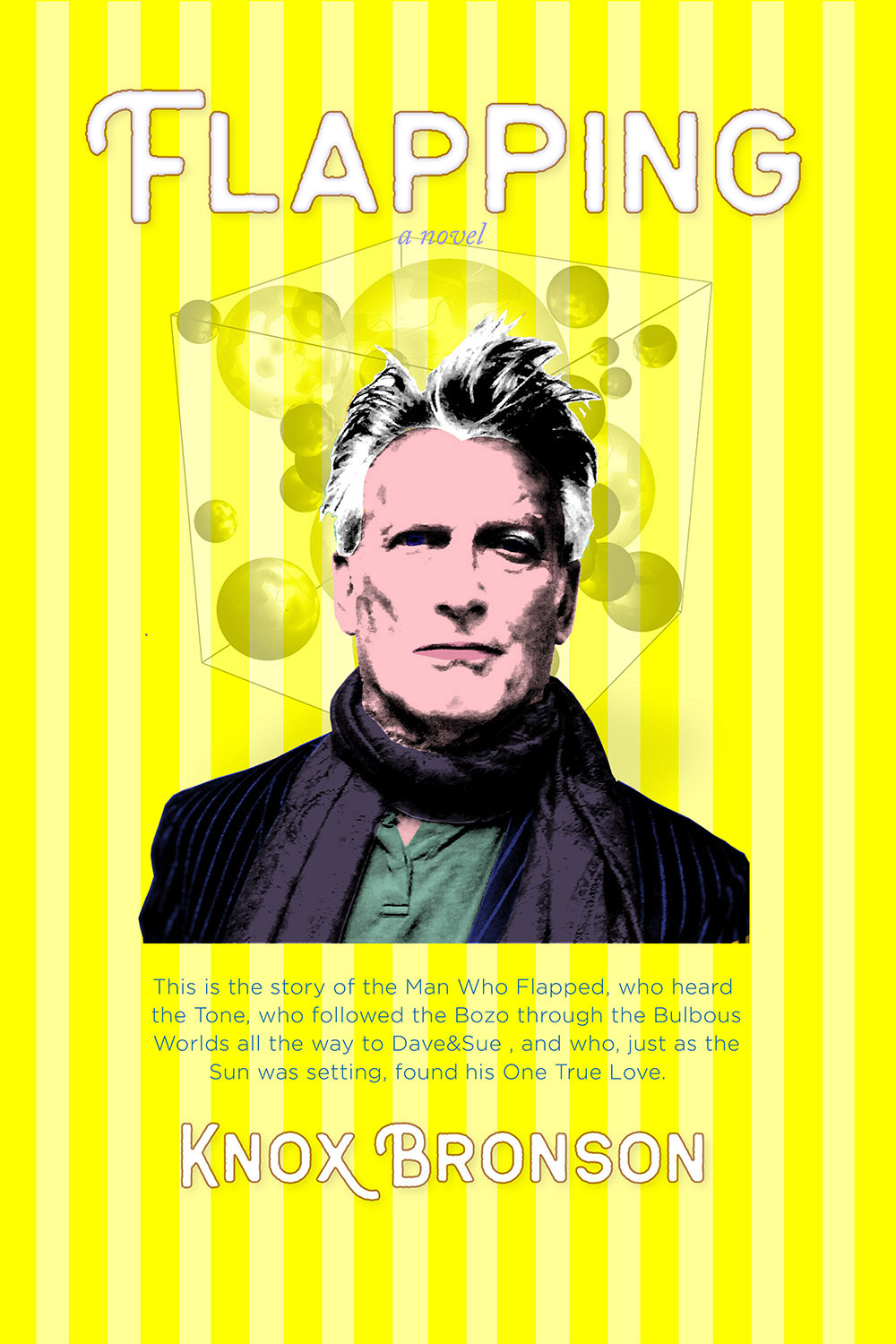
FLAPPING
Chervil Orbane, a youngish man living alone in the San Francisco Bay area, has awakened flapping. And knows it.
Two agencies–one extra-dimensional, one a super-secret government entity – know it also. And they want Chervil, for the furtherance of very different agendas.
An allegory, Flapping hews to classic epic form (the call, the journey, the dying, and the rebirth) in bite-size chapters, with diagrams, charts, and graphs to assist the reader in grasping essential concepts underlying Flapping — Chervil Orbane’s saga, his moment of clarity, the great epiphany, the big ideas, the good guys, the bad guys, the gratuitous sex, the refreshing absence of name brand pop-culture icons, a predictably cinematic happy ending, the ipso and the facto, as it were, of nuevo-millennial metaphysical thought.
FLAPPING comes with its own cd soundtrack – Flight of the Atom Bee. This wonderful CD has been remastered for maximum fidelity. Flight of the Atom Bee is a haunting, beautiful, and otherworldly suite charting the erotic, tensile fields that bridge harmony, melody, and undiluted electronic sound.

PIXELS AT AN EXHIBITION
The emergence of a new art form for the twenty-first century, inspired by, shot with, and processed on the iPhone.
Pixels At An Exhibition documents the unexpected emergence of a new art form for the twenty-first century, one based on the technology of the iPhone, its limited camera and buggy apps, to create a new kind of magical realism. Combining camera and darkroom, canvas and paintbrush in one tiny device, the iPhone inspired the birth of a global art movement. Pixels At An Exhibition features the best of the pioneering artists and galleries culled from the 33,000 curated images on the Pixels website, many available nowhere else.
I finished, after three-and-a-half years of curation, writing, design, layout, and production, my history of the early years of iPhone photography and art, PIXELS AT AN EXHIBITION, 370 pp, 177 artists, 600+ images.
iBook for iPAD or Mac on the Apple Bookstore $14.95
Hardbound copy available at Lulu.com $99
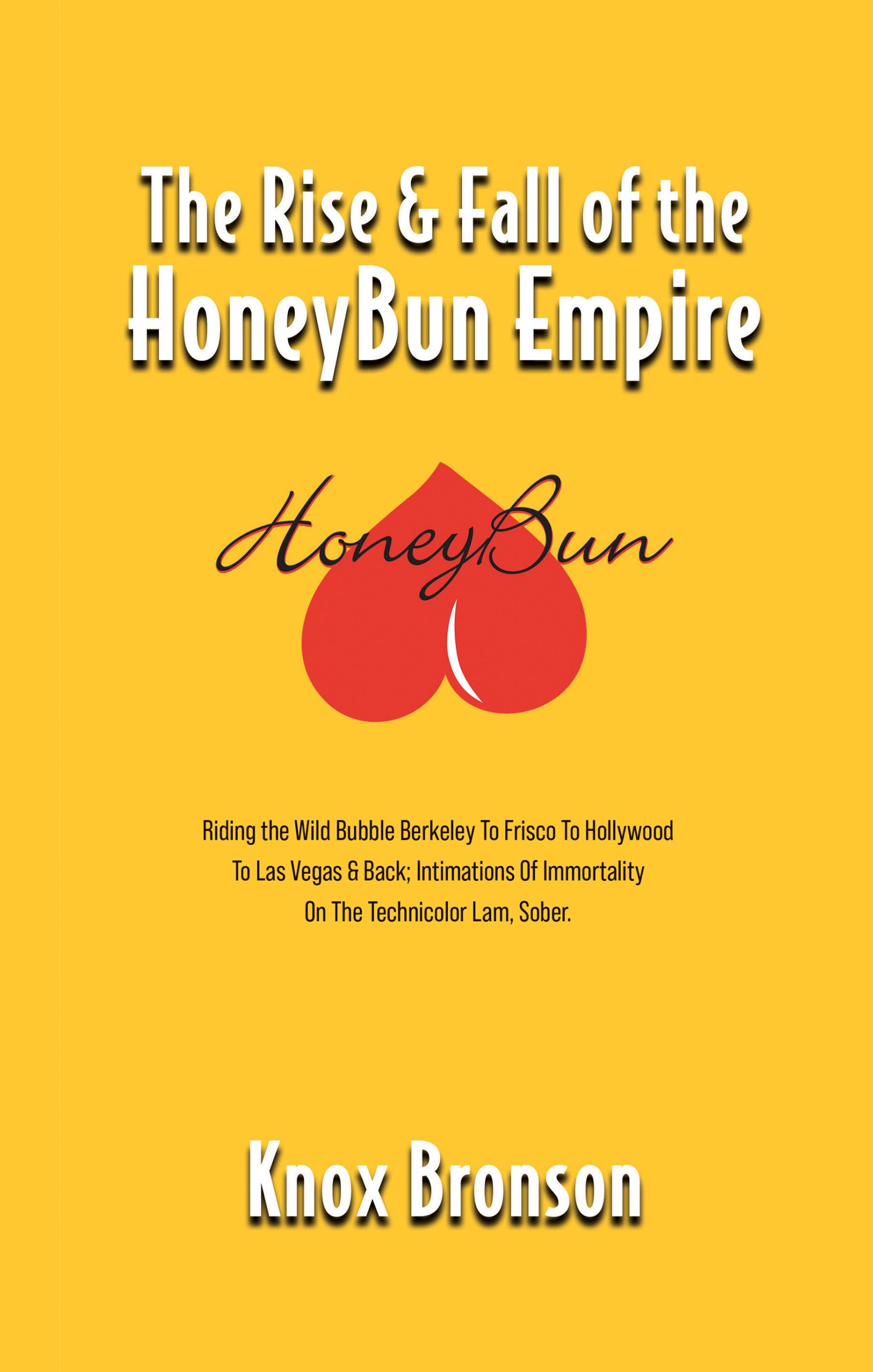
THE RISE AND FALL OF THE HONEYBUN EMPIRE
Riding the Wild Bubble Berkeley To Frisco To Hollywood To Las Vegas & Back; Intimations Of Immortality On The Technicolor Lam, Sober.
In 1999, I wrote a semi-naughty, mostly humorous article for Salon.com entitled “The Gentlemanly Art of Spanking” under the nom-de-plume Carson Fitzgerald. It became one of the fifty most-read stories of the year, generating a huge reader response.
A couple years later, I had the idea to make spanking kits and sell them online. It used to be that if one was first to the web with a product, one was guaranteed success. The HoneyBun Spanking Kit was the exception that proved the rule. Nonetheless, it was a cute product and, just as I was finishing the HoneyBun website, I was forced to leave Oakland under threat of death as a witness to some drunks firing their guns up the street from his apartment—no one was injured—so the book began as a road story.
I packed up a carton of spanking kits, his guitar and clothes, and headed south to LA and Hollywood. He then began writing email updates to all my friends in the Bay Area and elsewhere.
After a time, some friends encouraged me to turn the emails and the ongoing story into a book. This is the book. The book is a kaleidoscopic memoir—coming of age in Berkeley in the 60s, San Francisco in the 70s, a brief chapter about the 80s, and one about early sobriety in 90s. A fair amount of spirituality, commentary on materialism, the JFK assassination. Enjoy the ride!
Albums

Pacifica, released Nov. 10, 2025
Six gorgeous electronic/orchestral works. On all stream platforms except Spotify. Listen and download for free at Bandcamp.
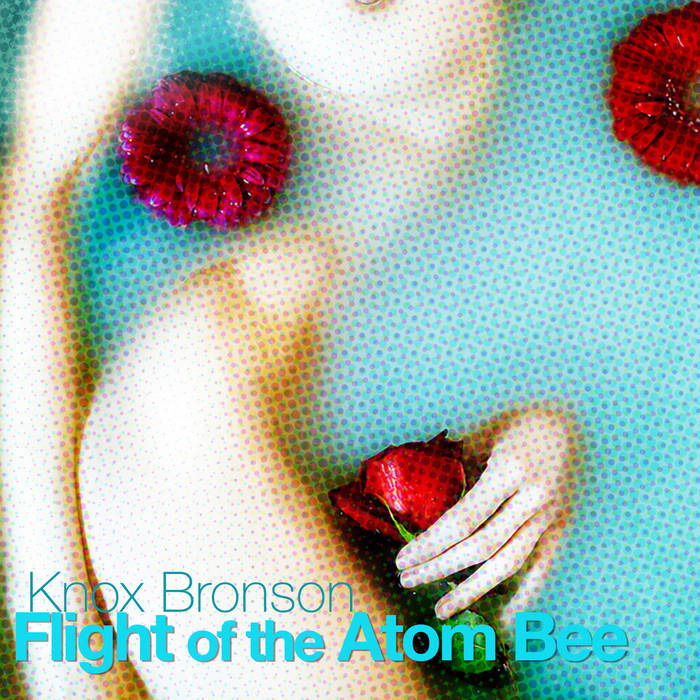
Flight of the Atom Bee
My first cd, Flight of the Atom Bee, is a collection of instrumental pieces, strange and beautiful, featuring a lot of early analogue synthesizer technology along with an Emu SP-12 drum machine, a Jupiter 8x-P digital/analogue hybrid, and all sorts of outboard processors. To say I didn’t know what I was doing as I plunged back into modern music production is an understatement. But I heard sounds in my head I had to bring forth. It was an exhilarating time as I made my way by trial and lots of error.
Inspired by the weird fiction of Cordwainer Smith, Flight of the Atom Bee is a technicolor romp through the, bold, bright, and beautiful realms of analog synthesis.
Also available on Spotify, Apple Music, Amazon, etc.
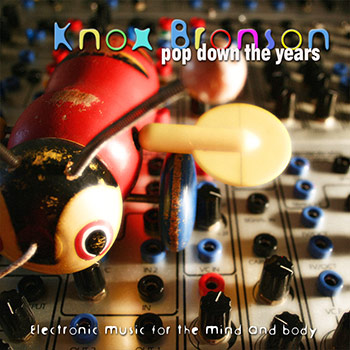
Pop Down The Years
My first vocal cd, Pop Down The Years, garnered some good reviews. Eight original songs, one Donovan cover.
Also available on Spotify, Apple Music, Amazon, etc.
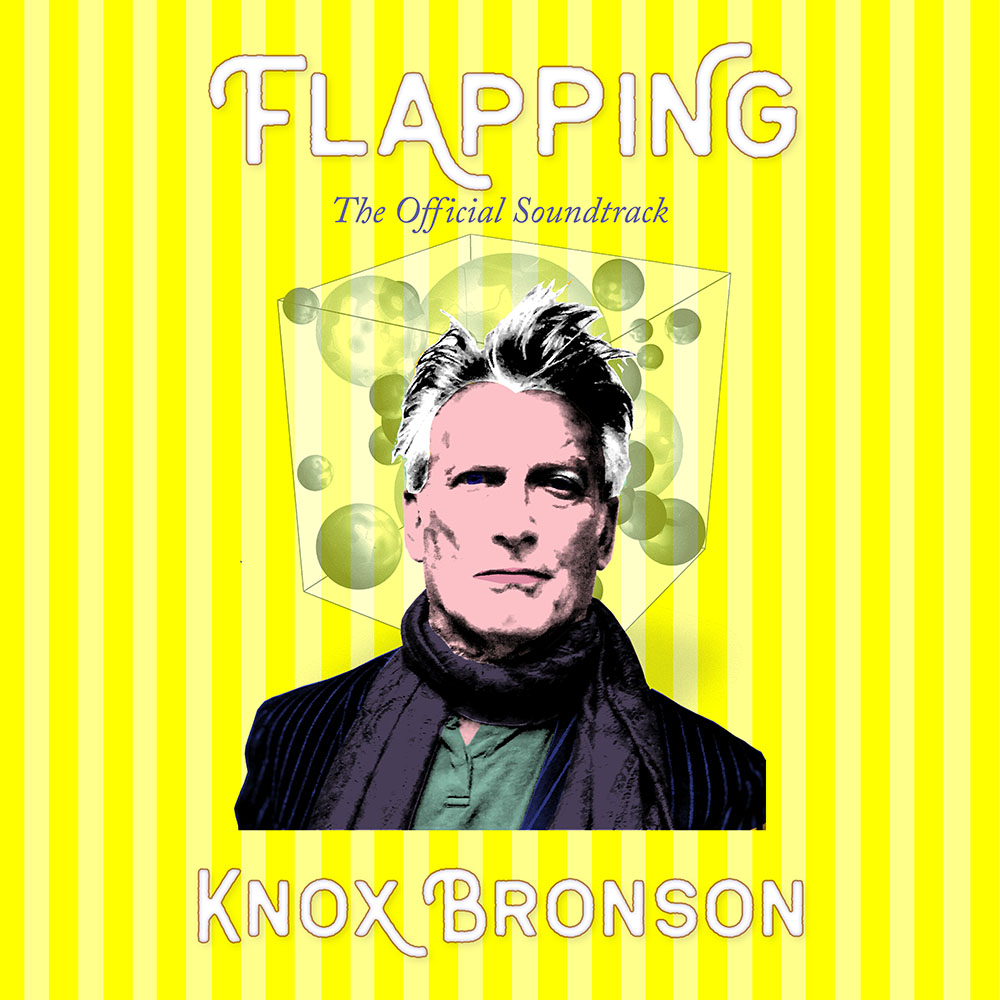
Flapping, The Official Soundtrack
Flapping—The Official Soundtrack, when it was first published as a paperback, came with a cd, my album, “Flight of the Atom Bee.” When I decided to publish it again as an e-Book on Apple Books, I thought I would release a new official soundtrack to go with it.
It’s really the greatest hits from Flight of the Atom Bee and Deus Sex Machina.
Also available on Spotify, Apple Music, Amazon, etc.
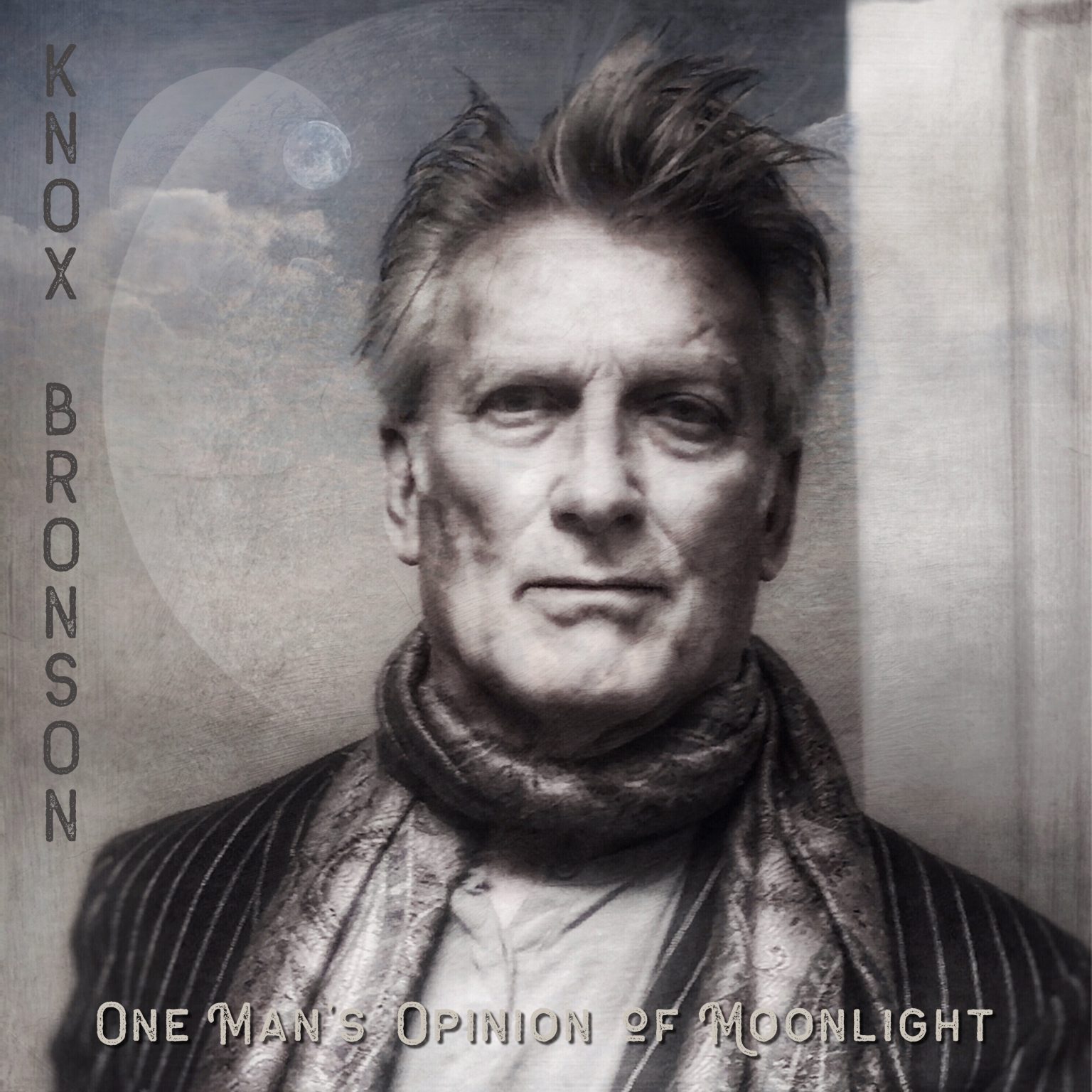
One Man's Opinion of Moonlight
On Valentine’s Day, 2020, I released my second vocal cd. One Man’s Opinion Of Moonlight.
It’s an album of cover songs, ballads from the sixties and seventies, with one jazz standard, Autumn Leaves, and one original, Pop Down The Years, which is a love song to all the songs and music with which I grew up. The album title is one line from Young Girl Blues, written by Donovan, from his 1967 classic album, Mellow Yellow.
The album includes some of the songs that shaped my romantic ideals in my youth, a collection of songs from the era when “love almost conquered.”
Also available on Spotify, Apple Music, Amazon, etc.
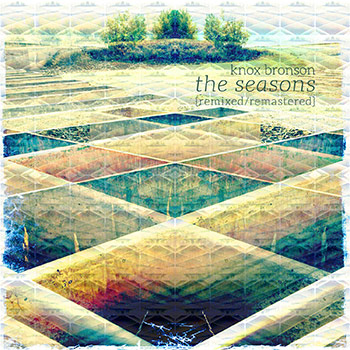
the seasons | remixed/remastered
some distance, now, from the original composing of the seasons i must say that my understanding of the dire situation in which i found myself and the subsequent resolution and release through the act of creation abides, stronger than ever. i rightly intuited, as i neared its completion, that the arc of the seasons followed campbell’s archetypal hero’s journey in a most wonderful way. i would ascribe the elements of the story thusly:
summer of ‘68 ~ the call & crossing the threshold
autumnal sun ~ the road of trials, meeting with the goddess & diving into the abyss
winter blue ~ death, rebirth, transformation & atonement
the forever spring ~ the magic flight, the crossing of the return threshold & freedom to live
Buy it on Bandcamp! (It’s available for free download, leftover from the COVID lockdown era.)
Also available on Spotify, Apple Music, Amazon, etc.
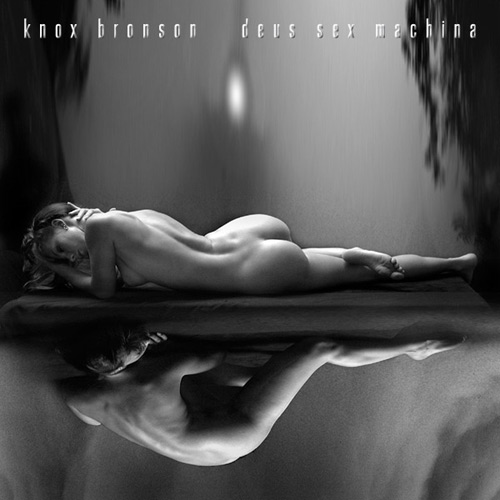
Deus Sex Machina
Deus Sex Machina is another collection of electronic/orchestral works. I consider them to be mid-period works. I finally had a grasp on the technology and had gained a fair amount of confidence in my arranging abilities. A couple of these pieces—Ubi Mel Ibi Apes (where there is honey, there are bees) and 3 Seconds Before Maia Smiled—are in the permanent collection of The San Francisco Museum of Modern Art as a part of a multi-media installation that ran for six months in 1999, Glenn McKay’s Altered States.
Also available on Spotify, Apple Music, Amazon, etc.
Photography
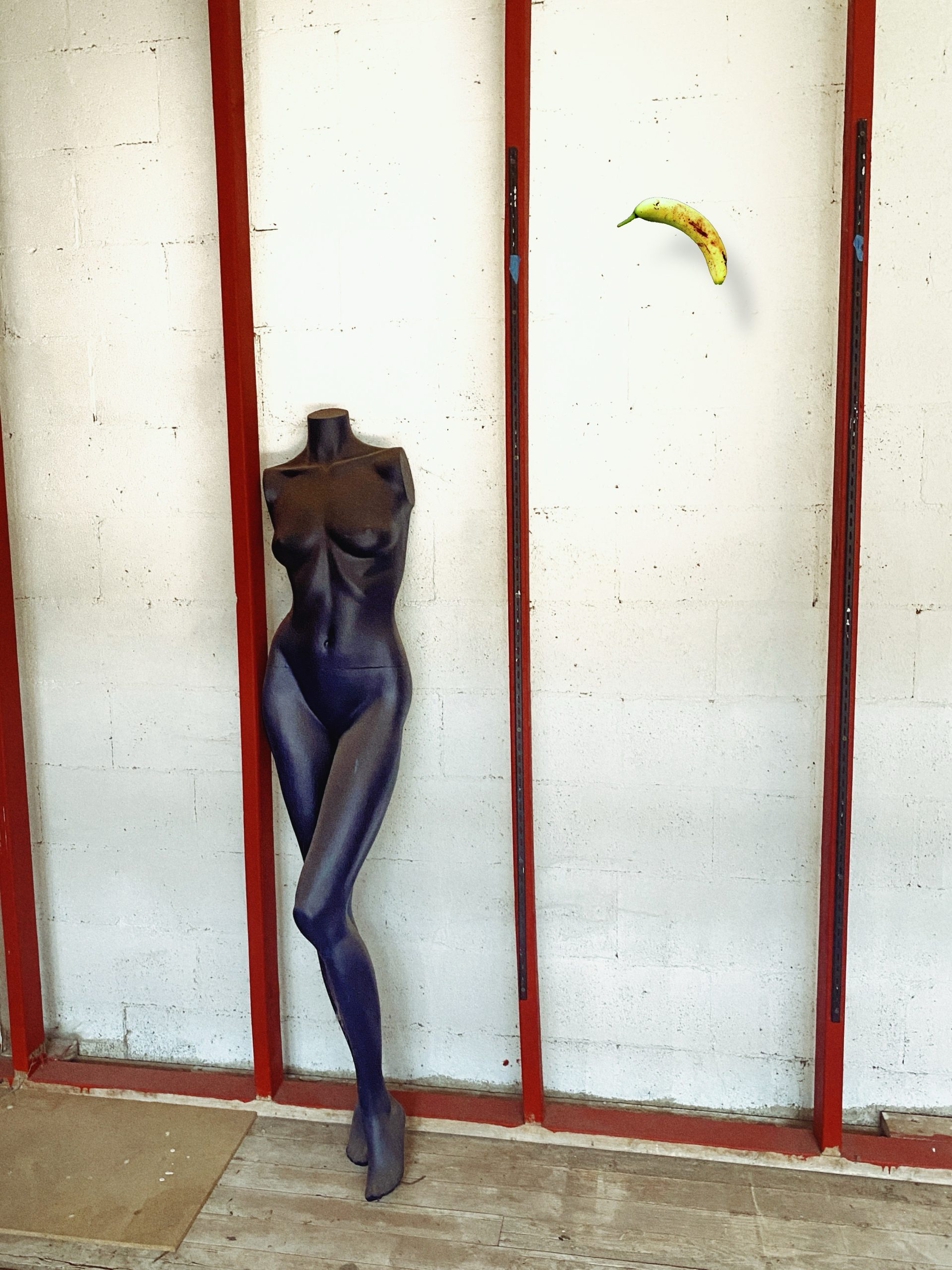
Recent Works
You can find more in the Gallery section of the site.
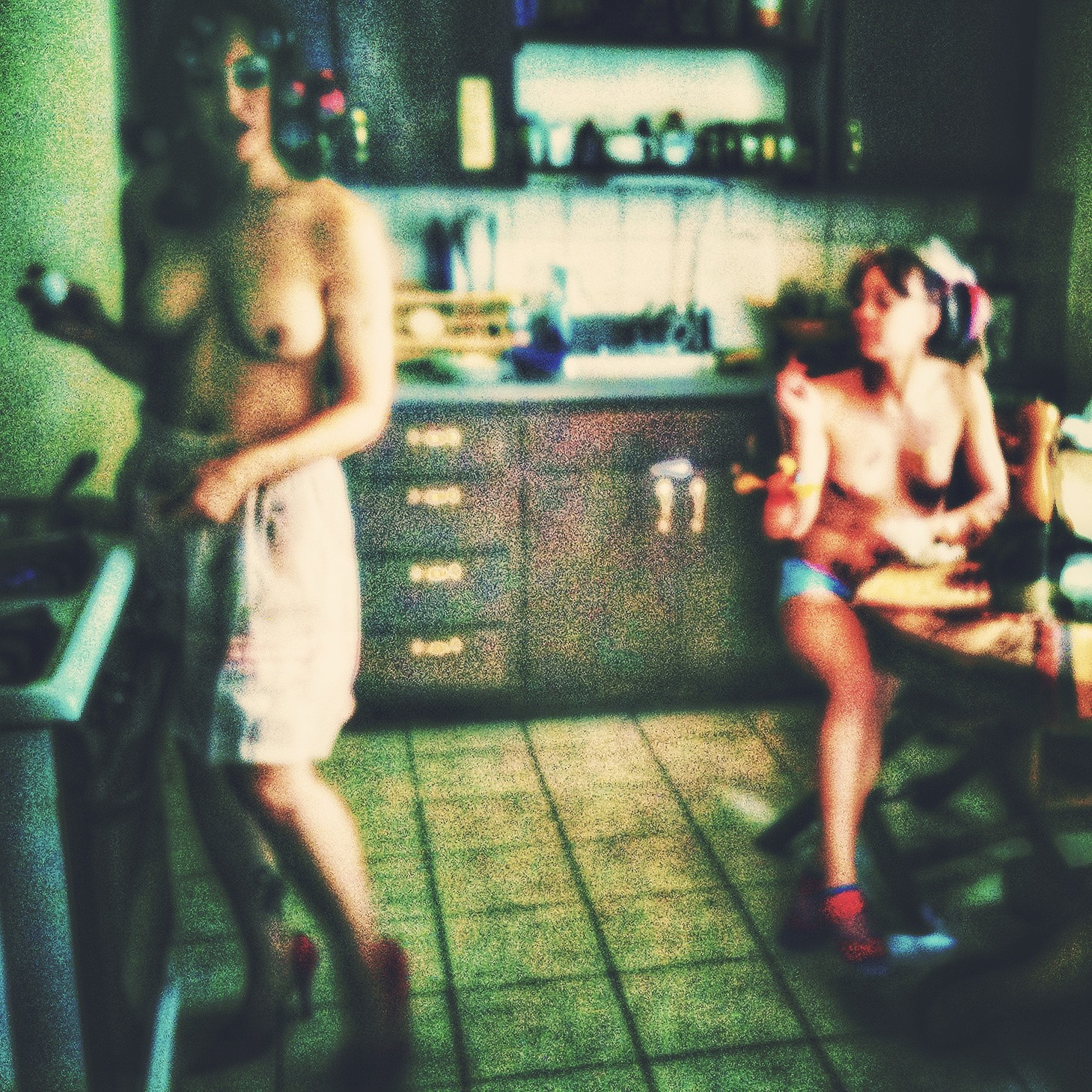
Nudes
All sorts of naked women.
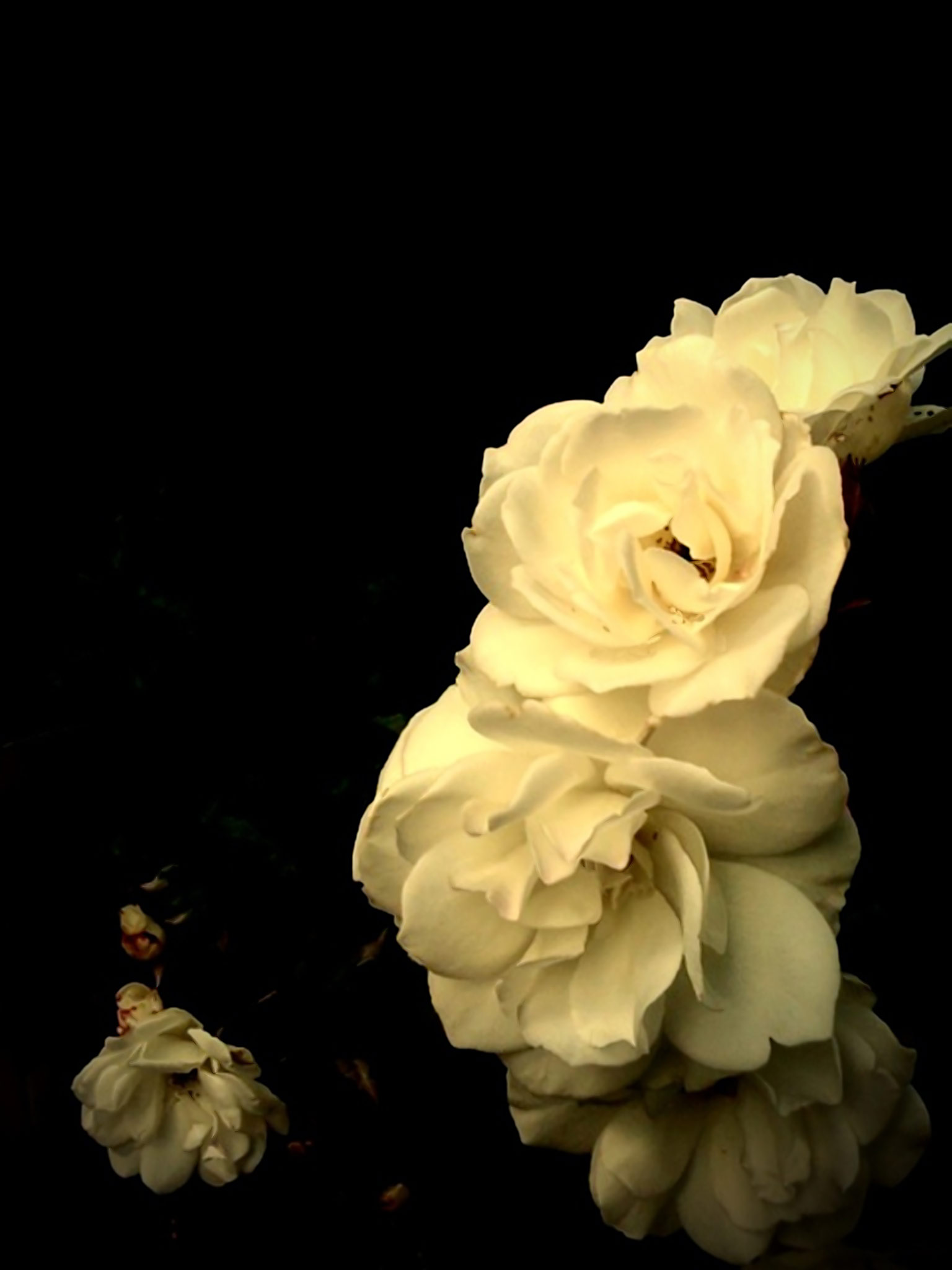
Flora
An astrologer told me once, “Knox, we know you love women and flowers. It’s all Venus.”
Referring to the fact that I have Venus in Scorpio in my astrological chart.
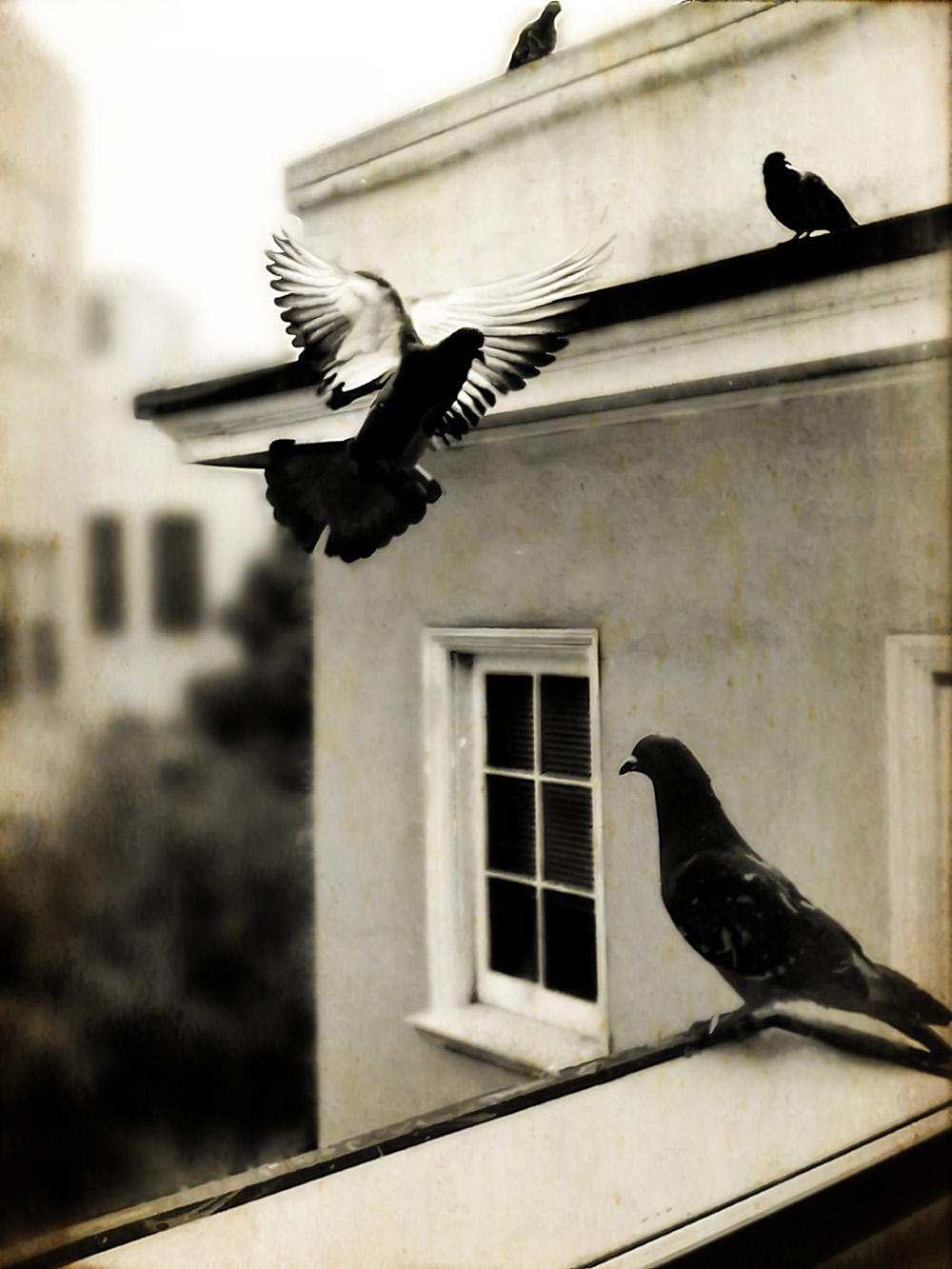
Fauna
Pictures of animals, lots of cats.
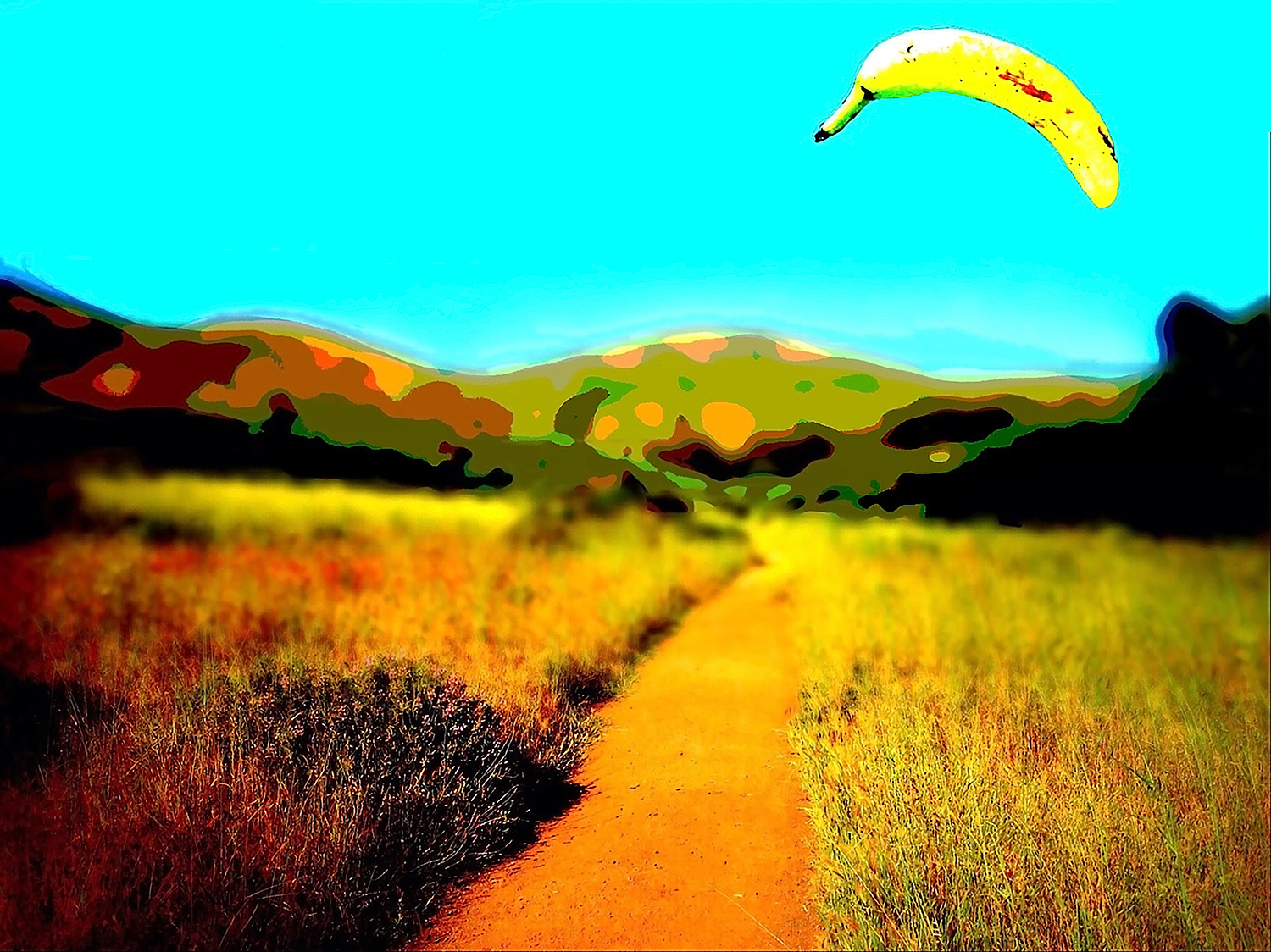
The Sun King series
I was looking at this picture and the thought entered my head, “You need to put a banana in the sky.” I rode my bike down to the produce market and bought a banana, the right banana, went home and put it in the sky. I’ve been putting the same banana into pictures for ten years.
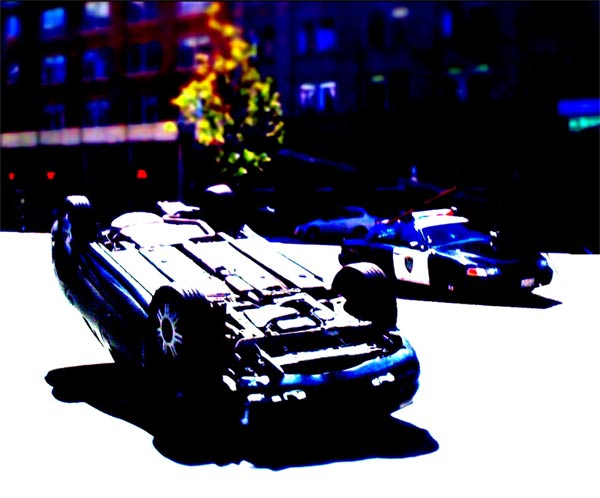
Early Work 2010-2011
Still some of my favorites. I loved the iPhone 3gs, the terrible camera and all the buggy apps.
The Pierce Street Community Garden
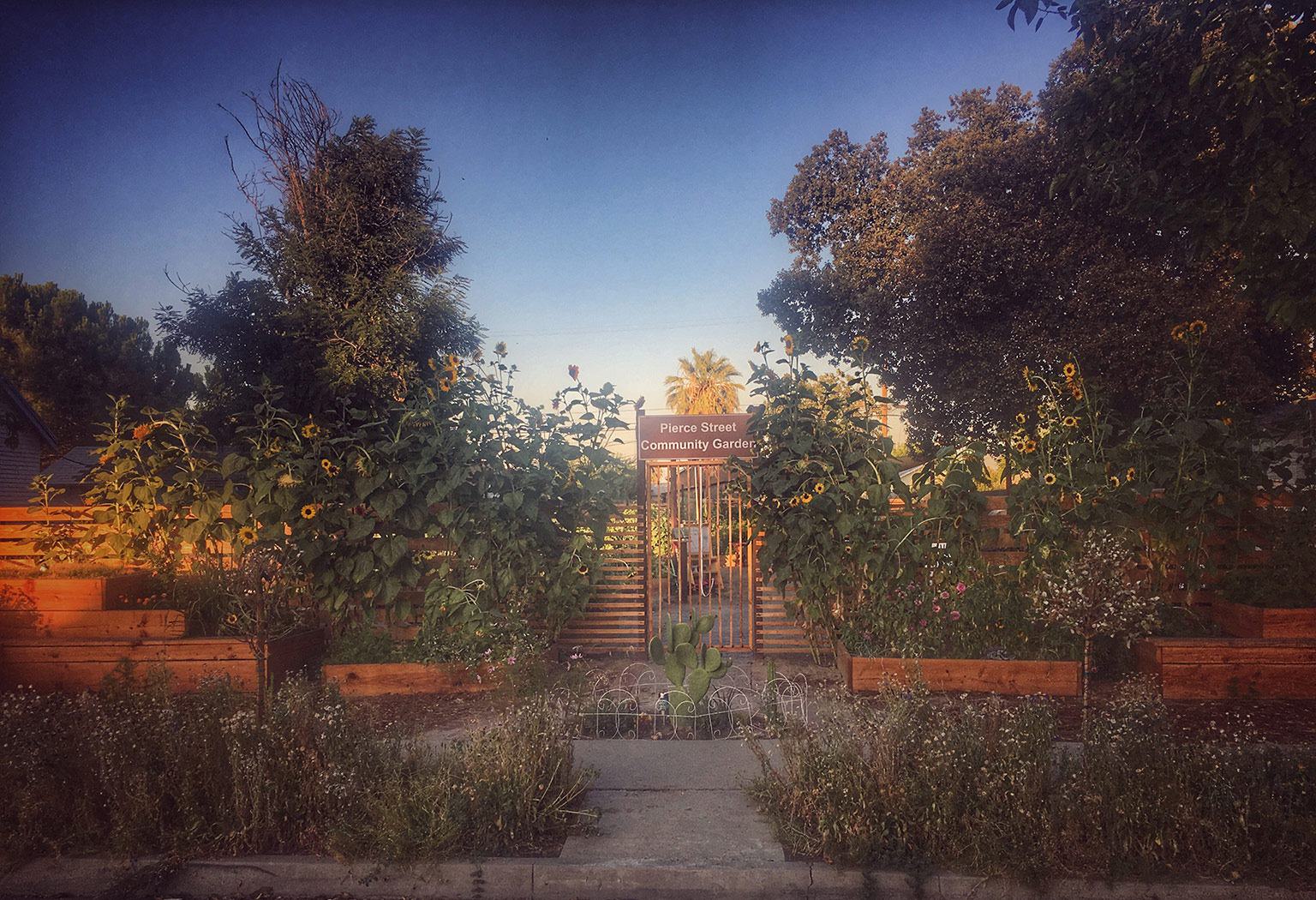
I hit Coalinga hard in early August, 2016, drummed out of Oakland by a jealous landlady and skyrocketing rents.
Years before, tweakers had trashed the little house into which I was to move. It had been empty since then and it showed. I slept on a foam pad on the floor as I worked to make the place livable. My only furniture was a lawn chair. I lived on roast chicken from SavMart, Starbucks breakfast sandwiches, and burritos from Tres Agaves, the all-night taqueria which serves the best food in town. The temperature hovered around a hundred and five degrees every day and the swamp cooler attached to the house was non-functional. Truth be told, I had never seen a swamp cooler before and I didn’t know what it was.
Read the whole story of one of my proudest accomplishments here.
Videos
There are tons of videos on this site. Here’s a link to the “Music Videos page“. Here’s a link to the “Art Videos” page. Here’s link to the “Weirder Videos” page.
My cover of Marty Balin’s Coming Back To Me was on my album, One Man’s Opinion of Moonlight, just me and guitar. However, a year or two later I returned to the song and listened to the piano part my friend Rachel Efron had played for it during our late night session. Producer Rick Baretta and I had decided not to use it on the album release. I thought I would see what I could come up with in terms of a minimal arrangement, cello, strings and oboe. And Rachel’s piano, of course. What Rachel does as we go into the bridge kills me every time.
The Most Beautiful Day in the History of the World

I remember the day I received this cartoon from my friend, Gus, via email. I was immediately inspired and made a few over the next few weeks. I still make them from time to time. Available as limited edition archival prints or on a commission basis. Contact me if interested.