
Welcome to the website of
Knox Bronson, accomplished roué & cat lover.
I’ll be famous when I’m dead.
Recent POSTS
Song-by-Song: [Hydraulic] Serenity Applicator from Flight of the Atom Bee
Every week, I am publishing an article about a composition of mine, the gear, the inspiration, what was involved, and so on. I hope you enjoy them! I am enjoying writing them. —Knox
I have mentioned the Roland JX-8P Synthesizer in the pieces about Flight of the Atom Bee and The Big Shimmer. I used it to create the chordal pads that dominate both pieces. I do not recall using it on Wild Pink Yonder, for whatever reason.
There is an old maxim in the electronic music community,”New piece of gear = new track.” In other words, when you get a new piece of gear, its sounds inspire a new composition. At the time I wrote Wild Pink Yonder, I was in the end of a gear acquisition binge and that is perhaps why I didn’t use the JX-8P on that song.
The reality is that, over time, the JX-8P, even more so that the Serge Modular, became my secret weapon. I used it for pads, but even more importantly, bass sounds.

The JX-8P is one of the great under-appreciated syths, I believe largely due to its bland preset sounds and the relative difficulty in programming new sounds. It had two digitally controlled multi-waveform oscillators, a great analog filter. Programming was done with either setting one pararmeter for a sound via slider at a time, which made intuitive sound design almost impossible, or with the PG-800 Programmer.
The Pg-800 made the exploration of sound design on the JX-8P quite intuitive, but since I knew nothing in the beginning, really, about what any of the parameters did to sound, I was just blindly experimenting. The thing was, I didn’t mind spending two days tweaking a sound to get it right. All the pad sounds on The Big Shimmer and Flight of the Atom Bee were the results of such exploration. It was a form of meditation for me.
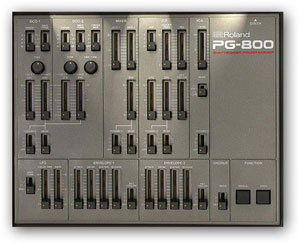
As time rolled on, I got a lot more proficient at making unique usable sounds. It has always seemed to me that the depth of the JX-8P itself worked against its popularity, but it was and is an awesome machine for those willing to spend the time building sounds from scratch. I will be talking about the JX-8P in future articles in this series: in retrospect, its sound was clearly at the core of my music composition and arranging process.
I haven’t had a JX-8P in over ten years, as of this writing in 2013, but looking at the above pictures, I find myself thinking about how nice it would be to have one again. There is now an iPad version of the PG-800, which makes the prospect quite possible.

I would have to say that the genesis of [Hydraulic] Serenity Applicator was the bass sound itself. I’m not sure what I was doing, but somehow I stumbled on this very percussive compressed bass sound which possessed very little harmonic information: it harkened back, for me, to the bass sound of Captain Beefheart’s song, Little Golden Birdies, from Clear Spot. I fell in love with it immediately and set out to write a bass line using it. You hear it in the first measure of the song.
I stretched the bass line out for a couple measures and set about writing the basic drum part, which remains pretty much the same throughout the song. I was using an Emu SP-12 drum machine at the time, a wonderful machine much love by rappers and hip-hop artist for its rhythmic feel.
It was my intention to use the same short bass part for the whole song which was beginning to take shape in my head. My thought was that, since there was so little harmonic content in the bass sound, I could just play different chords over same short repeating sequence. It almost worked, but, ultimately, I had to surrender to the musical needs of the song and modulated the bass part along with the chord changes, just like a real bass player would do.
After spending a few days building out the song, drums, bass, and the chord sequence (I still love how the first chord boldly announces itself at the third bar), it was time to add some melodic elements.
Using a system involving some archaic gear which I can’t remember, I was able to get beat-clock out of my computer into the Serge and sync a master pulse on the Serge to the song. This master pulse could be used to trigger envelopes, voltage changes, i.e., a step-generator, and so on.
I built some patch on the Serge: I honestly can’t remember which modules I used now. I started up the song and began twiddling knobs. I imagine I recorded to digital audio tape. After I got enough bits to use, I transferred them into the song file in StudioVision, editing, trimming, discarding bad parts, and began moving them around and placing them where they needed to be.
I wish I could say it was I who made the decisions, but it rarely was me at the helm when working on these songs. If I moved a piece of sound to the right spot, it would just lock into place, as if on its own. Much later, my friend Greg Jones pointed out that the song, with the walking bass line and the syncopated synth swirls, was straight-up ragtime in parts, but this was in no way a conscious decision on my part, as much as I wish I could claim it so.
In the middle dreamy part, I wanted the the Serge parts to convey an emotional arc over the melancholy chord changes. I believe I succeeded. I was always attempting to anthropomorphize my synthesizers, inserting my “hand” so to speak to evoke emotion.
Coming out of the middle part and back into the upbeat final two minutes, I had an inspiration to add a weather forecast and that is where “A few high clouds” comes from.
Somewhere in this period, I managed to overwrite the bass sound on the JX-8P and this was a real problem. I had recorded one final mix of the instrumental parts (excluding Serge parts and the weather report samples) and I was not happy with the pad sounds, which came from a Roland D-110 rackmount synth as I recall, and possibly a Korg DW-8000. I thought they were thin and lacked warmth and motion.
I spent many hours trying to find that bass sound again, using the manual programmer. Nothing else would do for this song. Alas, I could not achieve it. I could get very close, but close fundamentally altered the feel of the song, so I was stuck. All I could do was layer in a few more synth pads to thicken the mix. I wanted some shimmer, which I got from the Roland JX-8P in an overdub.
I finally got something that worked well, beautifully even, but I believed I could have made the song a little better if I could have rerecorded with a proper mix of pads. In retrospect many years later, it doesn’t matter. This is the song and it has stood the test of time.
When we were mastering this cd some years ago at Thomas Dimuzio’s studio in San Francisco, we were listening to the playback and, right around the part where the weather report comes in, I looked over and saw my friend and associate Gustavo Lanzas looking at me and shaking his head. I said,”What?”
He said,”You think this is pop music.”
I said,”Man, it’s as commercial as anything Dr. Dre puts out!”
And he said,”Yeah, right … when music goes from your ear to your brain, it passes through another dimension.”
I’m not sure if that is a compliment or not.
Lastly, I’ll break down the name of the song for you.
Hydraulic: denoting, relating to, or operated by a liquid moving in a confined space under pressure : hydraulic fluid | hydraulic lifting gear.
Serenity: the state of being calm, peaceful, and untroubled.
Applicator: a device used for inserting something or for applying a substance.
Hydraulic Serenity Applicator.
I’m sure it makes perfect sense now.
Lou Reed
Doug and Sally inside
They cookin’ for the Down Pipe
Who’s staring at Miss Rayon
Who’s busy licking off her Pig Pen
I’m searching for my mainline
I said I couldn’t hit it sideways
I said I couldn’t hit it sideways
Aw just like Sister Ray said
Whip it on.
Rosie and Miss Rayon
They’re busy waiting for her booster
Who just got back from Carolina
She said she didn’t like the weather
They’re busy waiting for her sailor
Who’s big and dressed in pink and leather
He’s just here from Alabama
He wants to know a way to earn a dollar
I’m searching for my mainer
I said I couldn’t hit it sideways
I couldn’t hit it sideways
Aw just like Sister Ray said
Lay it on him.
Cecil’s got his new piece
He cocks it shoots it between three and four
He aims it at the sailor
Shoots him down dead on the floor
Oh you shouldn’t do that
Don’t you know you’ll stain the carpet
Now don’t you know you’ll stain the carpet
And by the way have you got a dollar
On no man I haven’t got the time-time
To busy sucking on a ding-dong
She’s busy sucking on my ding-dong
Oh she does just like Sister Ray said
I’m searching for my mainline
I said c-c-c-couldn’t hit it sideways
I said c-c-c-c-c-c-couldn’t hit it sideways
Ah do it do it just su-su-su-suck
That’s ju-ju-just excellente
Oh!
Now who is that knocking
Who’s knocking at my chamber door
Now could it be the police
They come and take me for a ride-ride
Oh but I haven’t got the time-time
Hey hey hey she’s busy sucking on my ding-dong
She’s busy sucking on my ding-dong
Aw now do it just like Sister Ray said
I’m searching for my mainline
I couldn’t hit it sideways
I couldn’t hit it sideways
Oh now just like
Oh just like
Ah just like
Ah just like
Oh just like
Oh just like.
Doug and Sally inside
Now move it along
Cookin’ for the Down Pipe
Who’s staring at Miss Rayon
Do it do it do it do it do it do it
Who’s licking off Pig Pen
I’m s-s-s-searching for my mainline
I couldn’t hit is sideways
I couldn’t hit it sideways
Just like
Oh just like
Do it do it do it
Just like
Just like
Just like.
Now Rosie and Miss Rayon
They busy waiting for her booster
She’s just back from Carolina
She said she’s bound to beat a sailor
I said she haven’t got the time-time
You’re busy sucking on my ding-dong
You busy sucking on my ding-dong
Now just like Sister Ray said
I’m searching for my mainline
I said I couldn’t hit it sideways
Whip it on me Jim
Whip it on me Jim
Whip it on me Jim
Whip it on me Jim
Said I couldn’t hit it sideways
Oh do it now just like
Just like Sister Ray said.
I said now Cecil’s got his new piece
He cocks it shoots it bang between three and four
He aims it at the sailor
He shoots him down dead on the floor
Oh you shouldn’t do that
Don’t you know you’ll hit the carpet
Don’t you know you’ll mess the carpet.
Oh she hasn’t got the time-time
Busy sucking on his ding-dong
She’s busy sucking on his ding-dong
Now just like Sister Ray said
I’m searching for my mainline
Couldn’t hit it sideways
Couldn’t hit it sideways
And just like
And just like
And just like
S-Sister Ray said
Now do it to him.
Doug and Sally inside
They’re busy cooking for the Down Pipe
Who’s staring at Miss Rayon
Busy licking off her Pig Pen
I’m busy searching for my mainline
I said I couldn’t hit it sideways
I said I couldn’t hit it sideways
Now just like
Now just like
I said ah-uh
Just like
Amph-ph-ph-ph-phetimine.
Song-by-Song ~ Flight of the Atom Bee

Unfortunately, this is not the photograph of the Bee patch itself: there were five positions across several panels where banana cables were piggy-backed five-high, routing control voltages hither, thither and yon. And, of course, many more spots where plugs were stacked two-, three-, or four-high, a symphony of brightly colored spaghetti strands.
For a more detailed description of the constuction of the bee, bird, bee-thought sounds, the drone, etc., please continue reading. But first ….
Ubi Mel Ibi Apes, along with my composition 3 seconds before Maia smiled, another song built around unique analog sounds from the Serge, are in the permanent collection of the SF Museum of Modern Art, as part of Glenn McKay’s lightshow installation, Altered States. What does this mean? It means I got my name on a wall not in a public restroom for once.
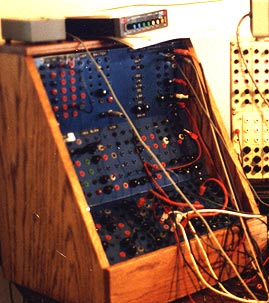
The Blue Serge
The three blue panels on the left were built by Roy Sablosky at CalArts in the late 1970’s. None of the modules had any markings whatsoever, although ins, outs, CV, and audio were color-coded. ]{This was the era where a squadron of guerilla synthfreaks surreptiously comandeered part of a building on campus to create a de facto serge assembly plant. “Built by bohemians on speed for bohemians on speed,” as Sound Transform Systems mastermind Rex Probe put it in his inimitable delicate style.}
Read Roy’s piece on the blue Serge & the Savoy Tivoli show here.
Roy, and collaborator Greg Jones, both students of Mort Subotnick, performed selections from their landmark electronic album No Imagination at the Savoy Tivoli in San Fracisco’s North Beach in the very early eighties using the blue and four-panel Serge systems. When they performed a piece of Roy’s, Forced – possibly the most acoustically violent piece of pulsed and gated white noise ever created- at top volume, the punk rockers in the audience went berserk and started screaming, pelting them with projectiles of various mass. It was not pretty. To be honest, I could empathize with the audience in this case. Forced was a brutal piece of music, an ear-shattering sonic onslaught.
The beauty of the Serge systems is the great range of sonic texture, color, and expression one can coax from the open architecture.
In the case of The Flight of the Atom Bee, the Analog Shift Register module in the center blue panel actually engendered the the whole piece. I was experimenting with it, sending bucket-brigade control voltages to an oscillator, timing pulse generated by the TR-606 drum machine (on the right of the picture) and achieved, after a time, the bee-thought cascading counterpoint which opens the song. I called Jeffrey McEachin, then known as mr808 on the Analogue Heaven mailing list, and played it for him over the phone. His response after a moment:
—It needs a space cricket sound to go with it.
I got off the phone and fiddled around or a while, unable to construct a cricket sound to my liking. And suddenly, the thought popped in my head: No, it needs a bee sound. I will always be grateful for mr808 putting me on the insectoid path to satori. I played electron slides-and-ladders for the next week to create the sonic Bee and other audio components for the piece.
In the picture above, we have (in the foreground) a Serge Touch Keyboard and a custom panel of oscillators and modifiers built by Rex Probe and crew at Sound Transform Systems in Oakland. I used the TKB for voltages to micro-tune the drone and also the filter cutoff and resonance for Atom Bee. On the panel behind the TKB I used the New Timbral Oscillator in conjunction with a Precision VC Oscillator to create the birdy sounds – modified only by a Roland Space Echo on the recording.
The Bee was comprised of three separate sounds: the buzzing of the wings, the whoosh as the bee banks left and right, and the slightly exaggerated, distorted wing-stress sound as wingtip vortices create momentary turbulence.
The four-panel box in the back was built by Serge Tcherepnin himself in the mid-seventies. On a later post, we will take a closer look at the panels, including the brown resin he poured over all the circuitry inside to protect his designs from copycats.
It was at one time in the experimental music department at Mills College in Oakland, Ca. They paid composer Greg Jones with as payment for writing a manual for their new Serge system. He paid me with it for designing a new logo for his company.
This box was the core of the Bee. The basic buzz came from one of the three old oscillators in the upper-left panel. A simple saw-tooth, modulated slightly to round-out the waveform with a rising and falling control voltage. There was also, the obvious rising and falling pitch generated by the Dual-Slope Generator over on the right. The DSG also triggered the Stepped-Function module to send out another voltage to raise and lower the over-all pitch of the buzzing bee, in steps, of course.
The distorted wing-stress sounds were made with the Triple-Wave Shaper and mixed in with VC Gates.
The Whoosh was filtered white-noise and the phase-shifter, which Greg Jones pulled out of a Mutron guitar pedal and kludged into the panel on the lower right. Also gated.
These three elements were mixed and sent out in a mono feed to another Roland Spaced Echo.
Timing pulses all generated by the Roland TR-606, which can be heard on the song. The only other sound on the song was the chord, which was made by a Roland JX-8P with the keys taped down and fed into the mixing board.
The whole Bee patch ran non-stop for over two months in the Love Shack studio. I couldn’t turn the synths off because I was afraid that if any components cooled, it would affect tone, or pitch, or timbre. Finally, hearing the Fear in my voice, mr808 flew down from Portland and helped me record the song. He also recorded a 26 minute mix which I will post at a later date, with his permission.
Recording of Flight of the Atom Bee was one live pass, mixed on the fly, using a noisy old Soundcraft mixer that had been used at Eli’s Mile High Club, a blues institution, in Oakland for many years. I hesitate to think how much whiskey and cigaret smoke adorned the circuitry of that board. We could only get one mono channel out in to this old Otari 8-track 1″ analog tape system, and even that was so noisy we had to do massive noise reduction when putting the cd together.
I cannot find my picture of the Bee patch. A shame. I will keep looking.

Dynamic Duo II
This was the photo I should have worked on. Don’t know what I was thinking when I chose the other one the first time.
Rushing into action, you fail. ~ Lao Tzu
Song By Song: Wild Pink Yonder from Flight of the Atom Bee
I wrote/arranged/produced/created both The Big Shimmer & Flight of the Atom Bee almost concurrently … this took place over a period of months, mostly due to my having to learn so much about digital recording and arranging. I’ve written plenty about the title track, Flight of the Atom Bee, elsewhere.
I learned a tremendous amount with those two pieces. It was a time of non-stop experimentation and gear exploration and I was rapidly learning how to arrange and control sythesizers from my Macintosh, using StudioVision. I was also doing a lot of audio processing using other applications like Sound Design to modify, enhance, and make weird noises.
My next piece was to become Wild Pink Yonder, which was to take the number two spot between the two compositions.
By now I had a room full of synthesizers all being run off my Mac. I had also gotten a new mixer: the old Soundcraft I had been using for my first two songs was horrifically noisy on almost every channel. The venerable old blues establishment, Eli’s Mile High Club in Oakland, had been home to it for many many years and it seemed as if every part of the circuitry and signal chain, the faders and pots were encrusted with nicotine and spilled whiskey: they did not improve the sound.
I had a lot of effects boxes and processors: I tended to use them on specific synths in-line, which means I didn’t send the sound from the mixer and bring it back into the mix.
This was the first song where I programmed every note. I used an Alesis S4 rackmount synth for the bass line: it was an interesting synth, but I was too new to programming to explore its sound design possibilities in any real way (if it had had an outboard module like the JX-8P’s programmer, with sliders and knobs and switches, that would have been a different story), but it had some great sounds pre-programmed, including this round bass sound. The bassline itself was based on a simple blues I-IV-V chord progression, with a major seventh thrown in.
I began programming my first drum patterns on the Mac as well. Again this was another case where I had no idea what I was doing. I remembered reading an interview with James Brown where he said, “To make it funky, you have to hit the one!” Meaning the first beat of the measure. So I thought I better hit the one with a snare: I didn’t realize that, normally, you hit the the one with the kick drum and used the snare on the two and four: the back beat. You will notice that several songs on this album do not have a back beat. Well, live and learn, I say.
So I began building out the song, starting with the bassline and a rudimentary drum pattern.
I had an Emulator II, a very early sampler, which came with some very interesting samples—you can hear a lot of them on my first two instrumental cds. I started with a choir, trying different things until I got a nice dreamy flow going. I then added in the second melody line using a Roland D-110 “moog” patch.
The sound began to take shape and I found it reminded me of the furniture polish ads I saw on TV as a child, where the woman experienced near orgasmic ecstacy as she blissfully polished her dark oak table with lemon-scented aerosol wax. And once that happened, it was simply a matter of following each musical thread/line where it would take me.
I arranged in real time, meaning, I would work on a few measures at the same time, listening to everything together and tweaking each until each part locked into place. It was a very intuitive process, wherein I discarded a lot of ideas. Of course, there was always a certain amount of serendipity as well: I had the passion to follow accidental ideas where they took me and sometimes they paid off greatly.
There are a few bars at the very end of the piece, after the breakdown, that took me four days to work out. I didn’t mind at all.
Once I had all the parts in place, I realized it needed one more thing and I got my friend Lynn to come down and record the words “You naughty boy,” which I layered in the intro and a couple other spots in the song.
As I did for all of my instrumental work in those days, once the mix was set and exactly where I wanted it, I recorded the whole thing to digital audio tape and that was the final mix.
I still love this song many years later. I listen to it and wonder where some of it came from. It was during the comosing and arranging of this piece that I began to realize that we are really channeling the music: it is flowing through us to the degree our craft, discipline, and a certain je ne sais quois allow it to happen.
But that place, down below where the music is, is where I have found refuge and weathered many storms up here o the surface.
Podcasts
Riding the Wild Bubble
FRISCO: The Secret History
BOOKS—Masterpieces All
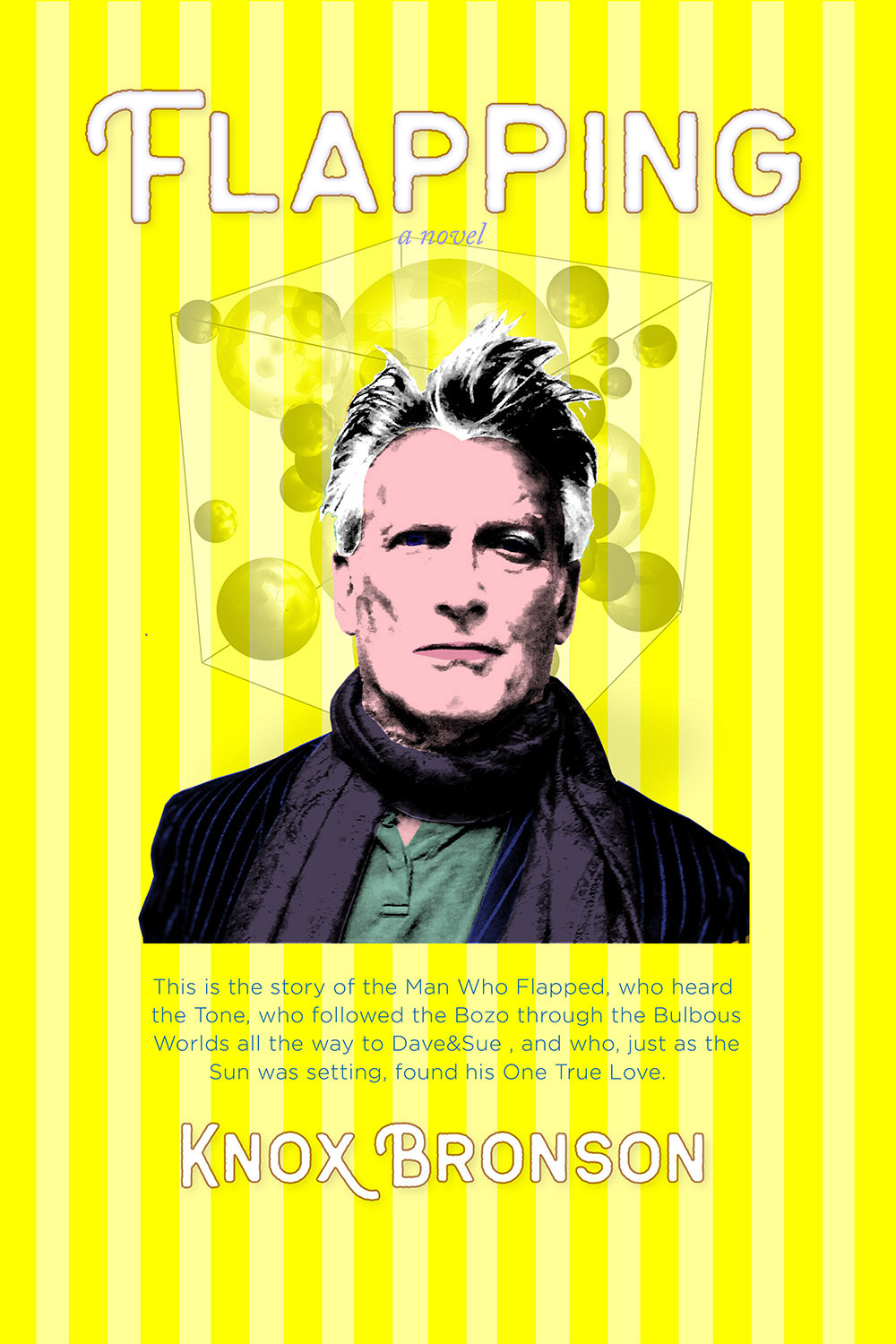
FLAPPING
Chervil Orbane, a youngish man living alone in the San Francisco Bay area, has awakened flapping. And knows it.
Two agencies–one extra-dimensional, one a super-secret government entity – know it also. And they want Chervil, for the furtherance of very different agendas.
An allegory, Flapping hews to classic epic form (the call, the journey, the dying, and the rebirth) in bite-size chapters, with diagrams, charts, and graphs to assist the reader in grasping essential concepts underlying Flapping — Chervil Orbane’s saga, his moment of clarity, the great epiphany, the big ideas, the good guys, the bad guys, the gratuitous sex, the refreshing absence of name brand pop-culture icons, a predictably cinematic happy ending, the ipso and the facto, as it were, of nuevo-millennial metaphysical thought.
FLAPPING comes with its own cd soundtrack – Flight of the Atom Bee. This wonderful CD has been remastered for maximum fidelity. Flight of the Atom Bee is a haunting, beautiful, and otherworldly suite charting the erotic, tensile fields that bridge harmony, melody, and undiluted electronic sound.

PIXELS AT AN EXHIBITION
The emergence of a new art form for the twenty-first century, inspired by, shot with, and processed on the iPhone.
Pixels At An Exhibition documents the unexpected emergence of a new art form for the twenty-first century, one based on the technology of the iPhone, its limited camera and buggy apps, to create a new kind of magical realism. Combining camera and darkroom, canvas and paintbrush in one tiny device, the iPhone inspired the birth of a global art movement. Pixels At An Exhibition features the best of the pioneering artists and galleries culled from the 33,000 curated images on the Pixels website, many available nowhere else.
I finished, after three-and-a-half years of curation, writing, design, layout, and production, my history of the early years of iPhone photography and art, PIXELS AT AN EXHIBITION, 370 pp, 177 artists, 600+ images.
iBook for iPAD or Mac on the Apple Bookstore $14.95
Hardbound copy available at Lulu.com $99
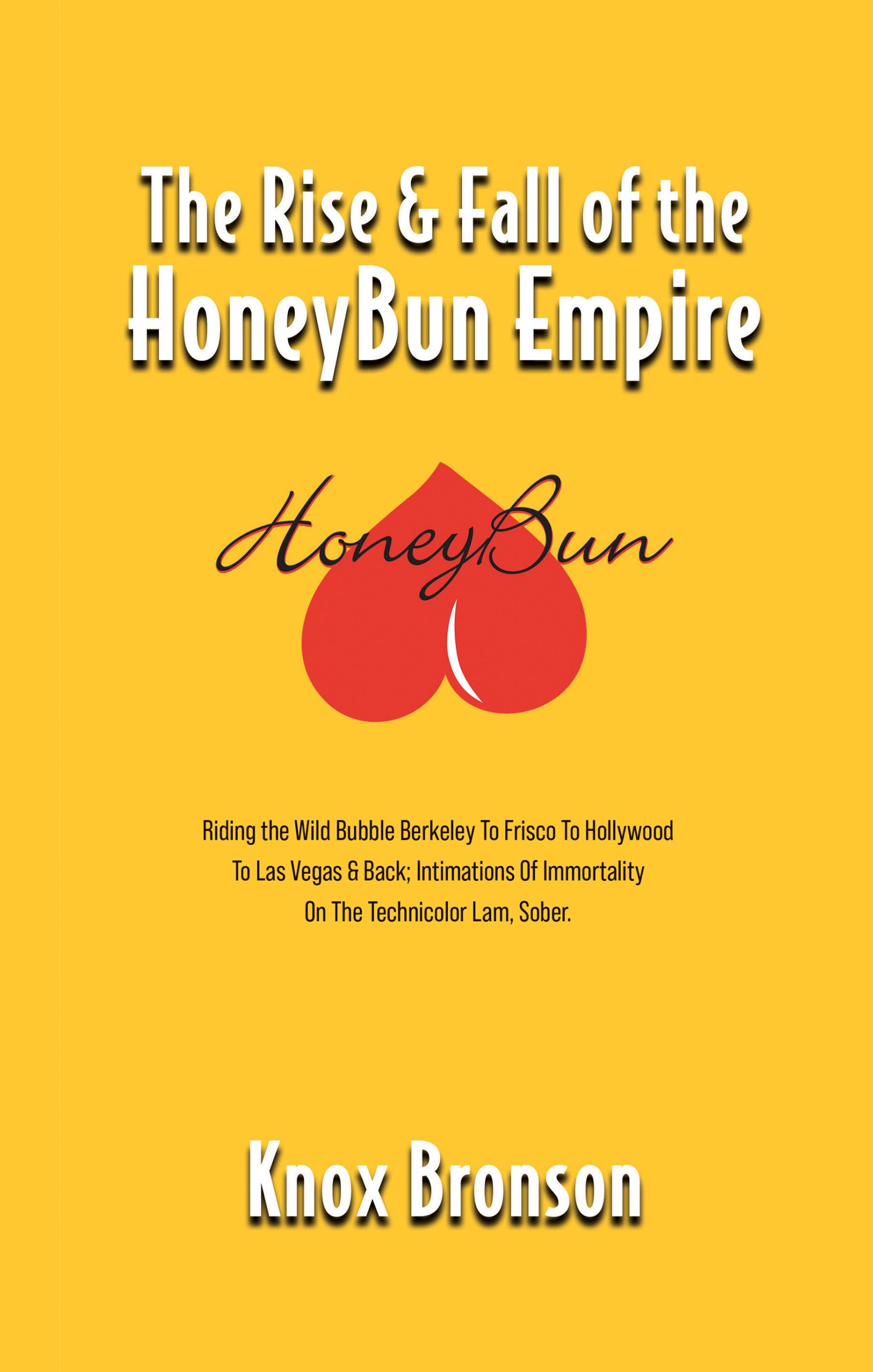
THE RISE AND FALL OF THE HONEYBUN EMPIRE
Riding the Wild Bubble Berkeley To Frisco To Hollywood To Las Vegas & Back; Intimations Of Immortality On The Technicolor Lam, Sober.
In 1999, I wrote a semi-naughty, mostly humorous article for Salon.com entitled “The Gentlemanly Art of Spanking” under the nom-de-plume Carson Fitzgerald. It became one of the fifty most-read stories of the year, generating a huge reader response.
A couple years later, I had the idea to make spanking kits and sell them online. It used to be that if one was first to the web with a product, one was guaranteed success. The HoneyBun Spanking Kit was the exception that proved the rule. Nonetheless, it was a cute product and, just as I was finishing the HoneyBun website, I was forced to leave Oakland under threat of death as a witness to some drunks firing their guns up the street from his apartment—no one was injured—so the book began as a road story.
I packed up a carton of spanking kits, his guitar and clothes, and headed south to LA and Hollywood. He then began writing email updates to all my friends in the Bay Area and elsewhere.
After a time, some friends encouraged me to turn the emails and the ongoing story into a book. This is the book. The book is a kaleidoscopic memoir—coming of age in Berkeley in the 60s, San Francisco in the 70s, a brief chapter about the 80s, and one about early sobriety in 90s. A fair amount of spirituality, commentary on materialism, the JFK assassination. Enjoy the ride!
Albums

Pacifica, released Nov. 10, 2025
Six gorgeous electronic/orchestral works. On all stream platforms except Spotify. Listen and download for free at Bandcamp.
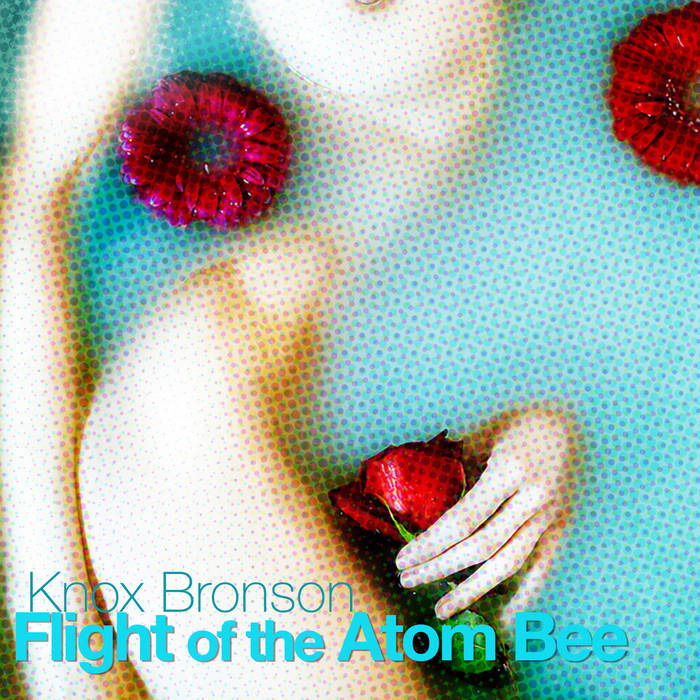
Flight of the Atom Bee
My first cd, Flight of the Atom Bee, is a collection of instrumental pieces, strange and beautiful, featuring a lot of early analogue synthesizer technology along with an Emu SP-12 drum machine, a Jupiter 8x-P digital/analogue hybrid, and all sorts of outboard processors. To say I didn’t know what I was doing as I plunged back into modern music production is an understatement. But I heard sounds in my head I had to bring forth. It was an exhilarating time as I made my way by trial and lots of error.
Inspired by the weird fiction of Cordwainer Smith, Flight of the Atom Bee is a technicolor romp through the, bold, bright, and beautiful realms of analog synthesis.
Also available on Spotify, Apple Music, Amazon, etc.
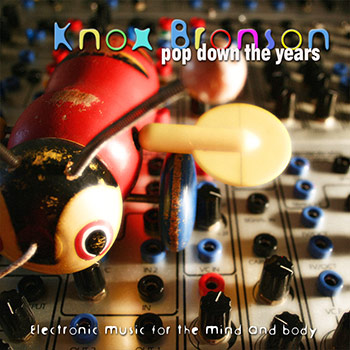
Pop Down The Years
My first vocal cd, Pop Down The Years, garnered some good reviews. Eight original songs, one Donovan cover.
Also available on Spotify, Apple Music, Amazon, etc.
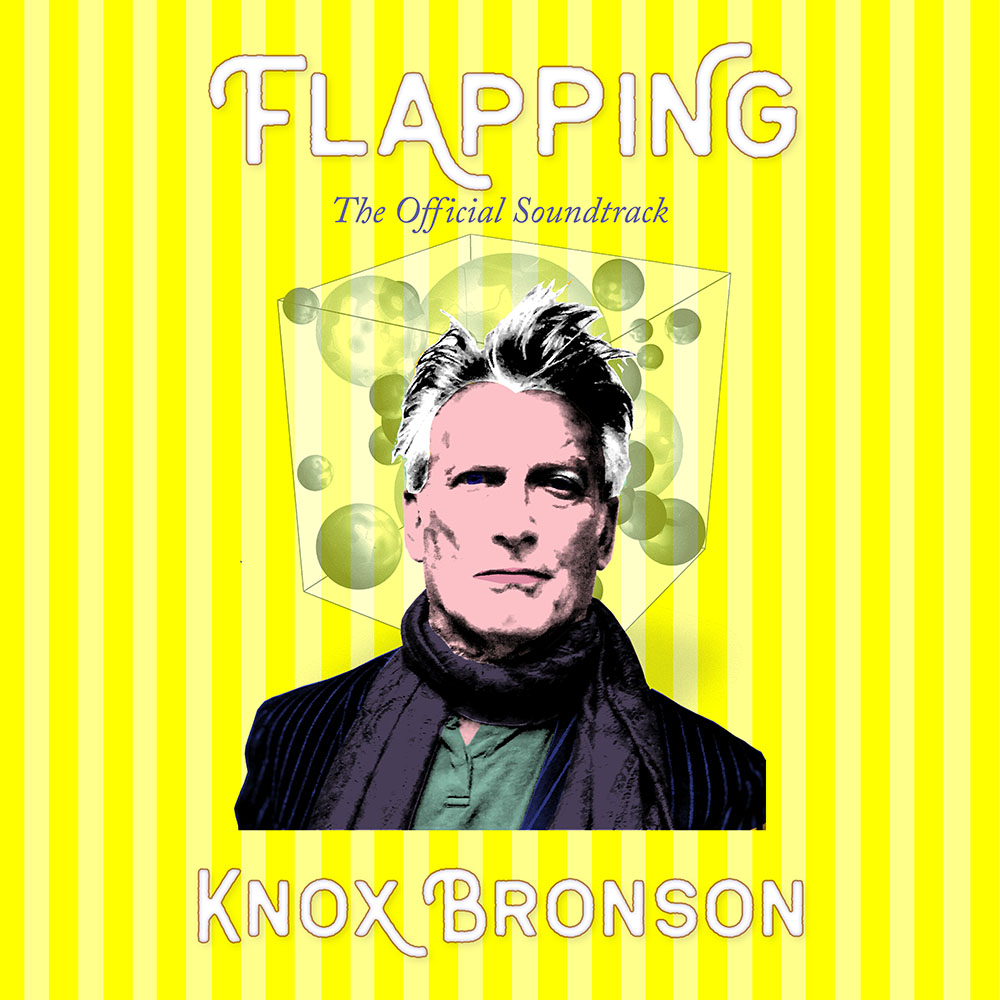
Flapping, The Official Soundtrack
Flapping—The Official Soundtrack, when it was first published as a paperback, came with a cd, my album, “Flight of the Atom Bee.” When I decided to publish it again as an e-Book on Apple Books, I thought I would release a new official soundtrack to go with it.
It’s really the greatest hits from Flight of the Atom Bee and Deus Sex Machina.
Also available on Spotify, Apple Music, Amazon, etc.
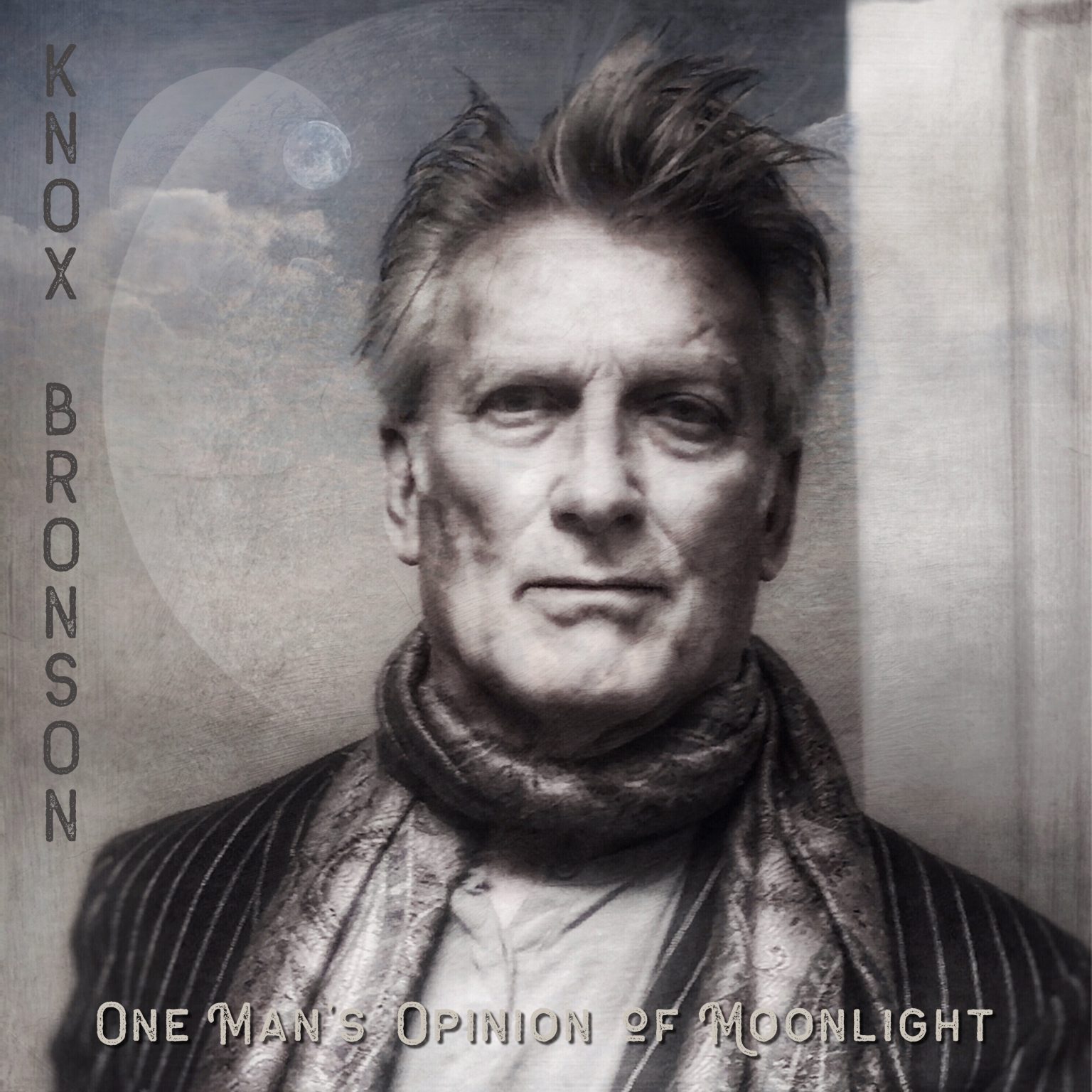
One Man's Opinion of Moonlight
On Valentine’s Day, 2020, I released my second vocal cd. One Man’s Opinion Of Moonlight.
It’s an album of cover songs, ballads from the sixties and seventies, with one jazz standard, Autumn Leaves, and one original, Pop Down The Years, which is a love song to all the songs and music with which I grew up. The album title is one line from Young Girl Blues, written by Donovan, from his 1967 classic album, Mellow Yellow.
The album includes some of the songs that shaped my romantic ideals in my youth, a collection of songs from the era when “love almost conquered.”
Also available on Spotify, Apple Music, Amazon, etc.
the seasons | remixed/remastered
some distance, now, from the original composing of the seasons i must say that my understanding of the dire situation in which i found myself and the subsequent resolution and release through the act of creation abides, stronger than ever. i rightly intuited, as i neared its completion, that the arc of the seasons followed campbell’s archetypal hero’s journey in a most wonderful way. i would ascribe the elements of the story thusly:
summer of ‘68 ~ the call & crossing the threshold
autumnal sun ~ the road of trials, meeting with the goddess & diving into the abyss
winter blue ~ death, rebirth, transformation & atonement
the forever spring ~ the magic flight, the crossing of the return threshold & freedom to live
Buy it on Bandcamp! (It’s available for free download, leftover from the COVID lockdown era.)
Also available on Spotify, Apple Music, Amazon, etc.
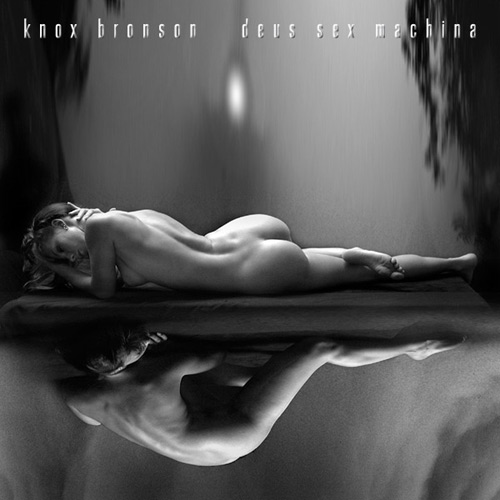
Deus Sex Machina
Deus Sex Machina is another collection of electronic/orchestral works. I consider them to be mid-period works. I finally had a grasp on the technology and had gained a fair amount of confidence in my arranging abilities. A couple of these pieces—Ubi Mel Ibi Apes (where there is honey, there are bees) and 3 Seconds Before Maia Smiled—are in the permanent collection of The San Francisco Museum of Modern Art as a part of a multi-media installation that ran for six months in 1999, Glenn McKay’s Altered States.
Also available on Spotify, Apple Music, Amazon, etc.
Photography
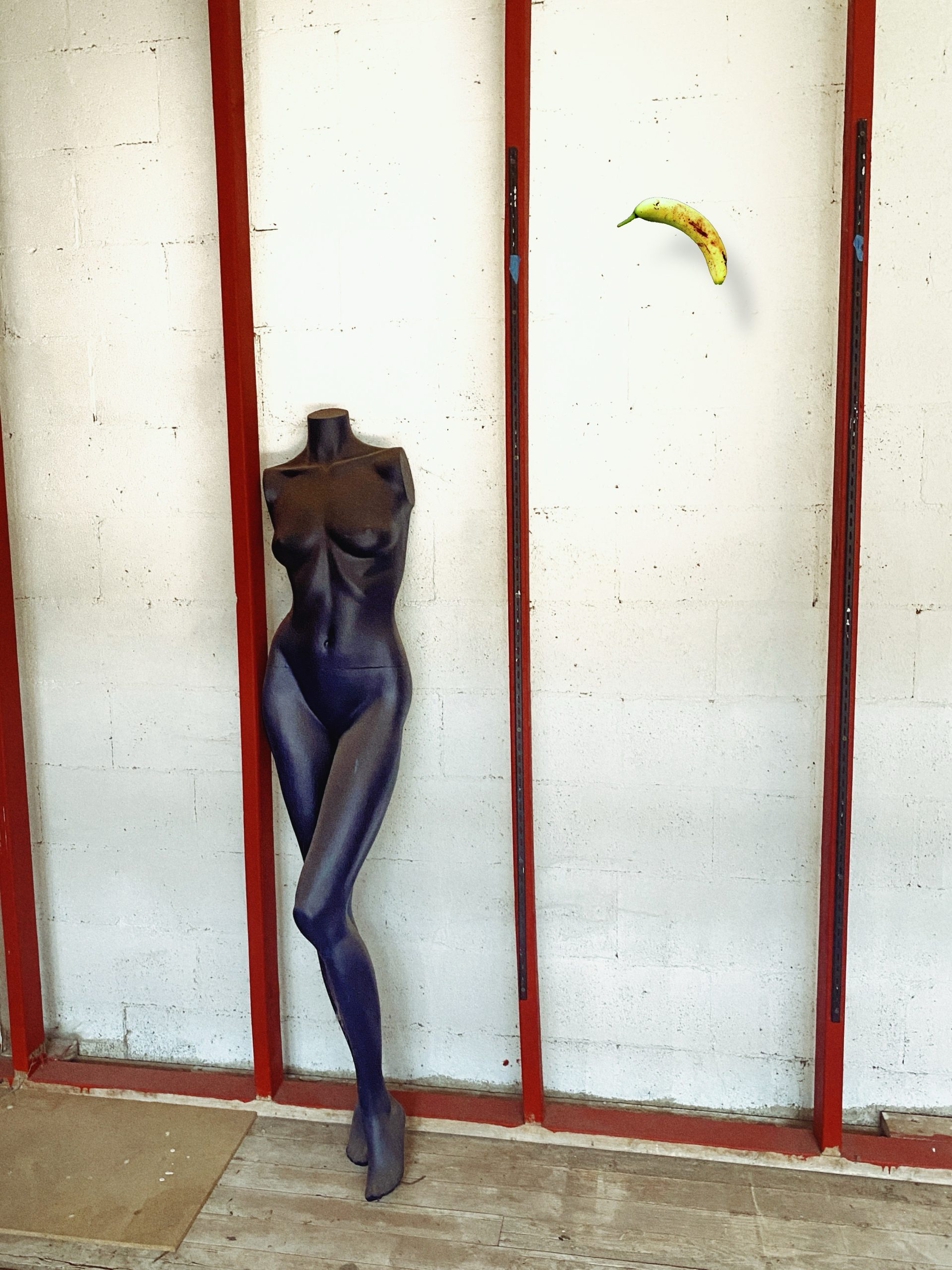
Recent Works
You can find more in the Gallery section of the site.
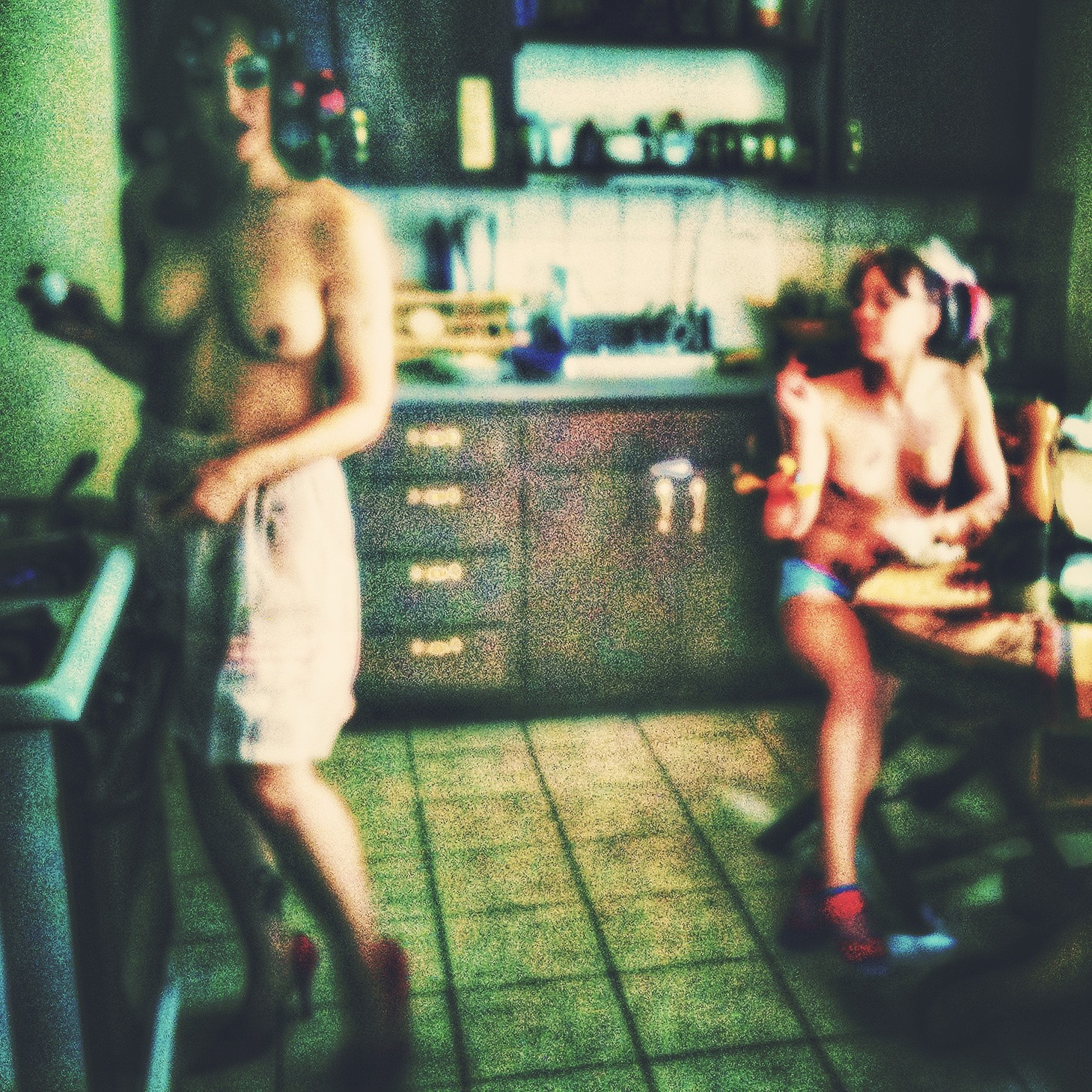
Nudes
All sorts of naked women.
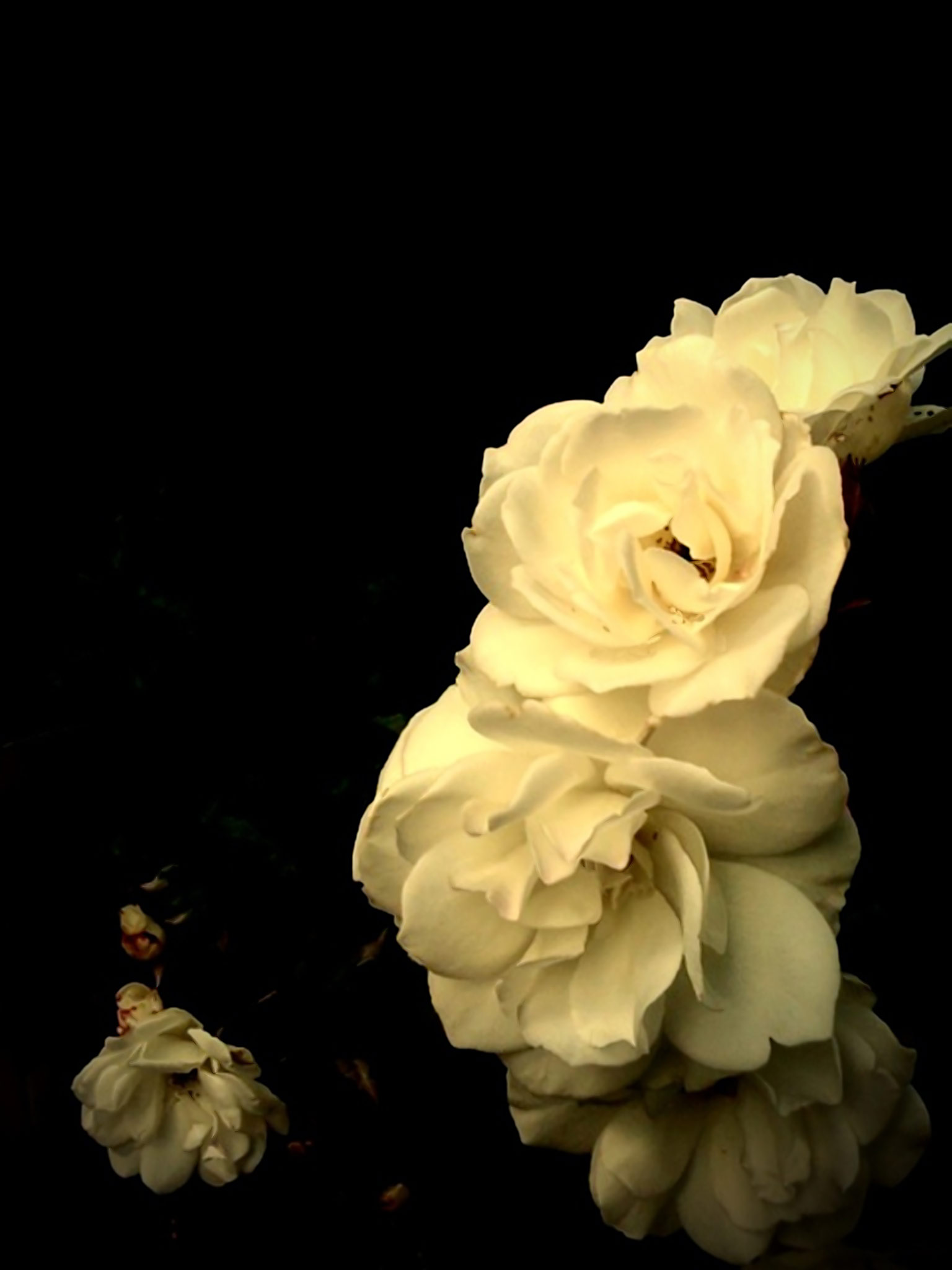
Flora
An astrologer told me once, “Knox, we know you love women and flowers. It’s all Venus.”
Referring to the fact that I have Venus in Scorpio in my astrological chart.
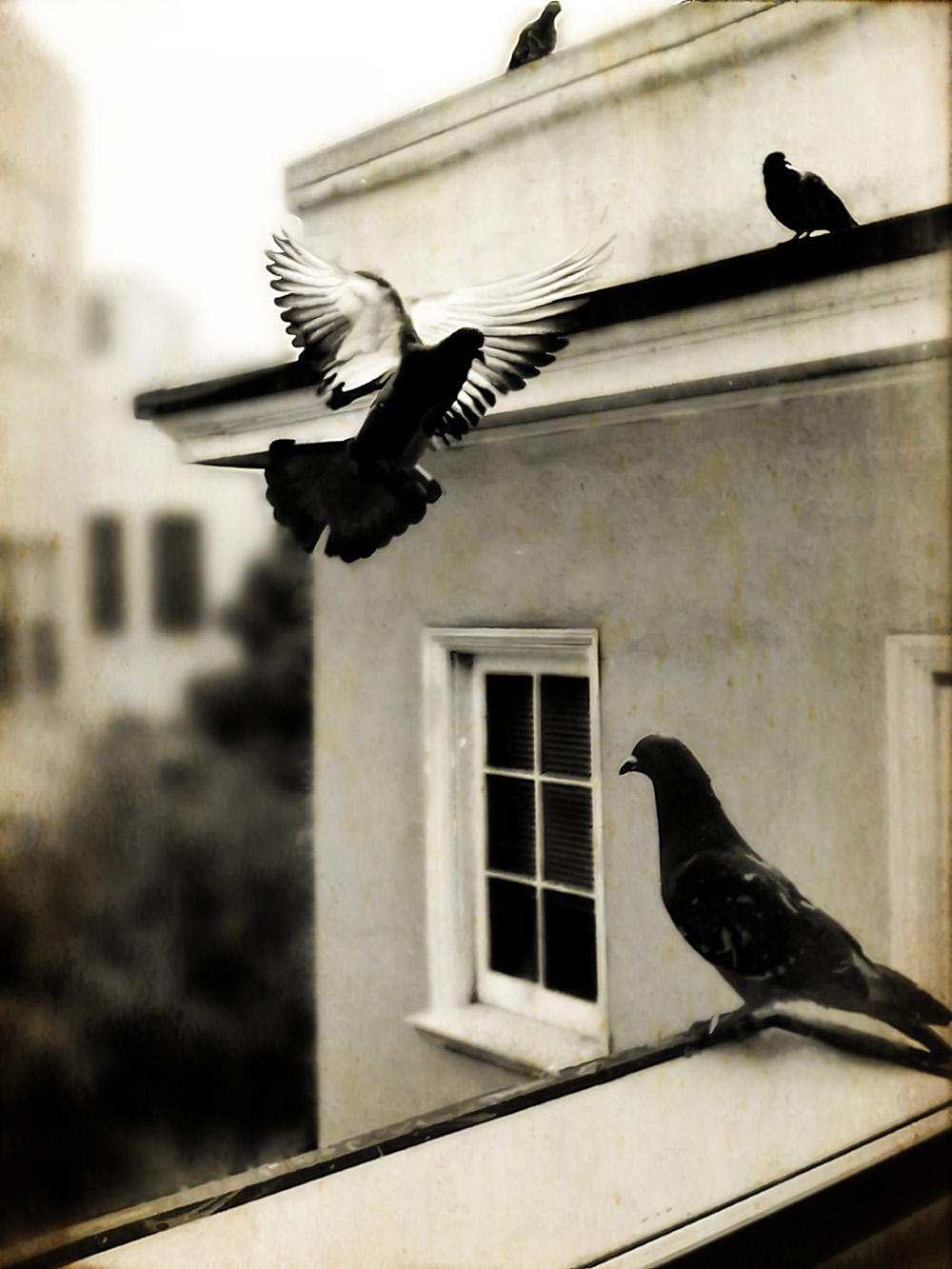
Fauna
Pictures of animals, lots of cats.
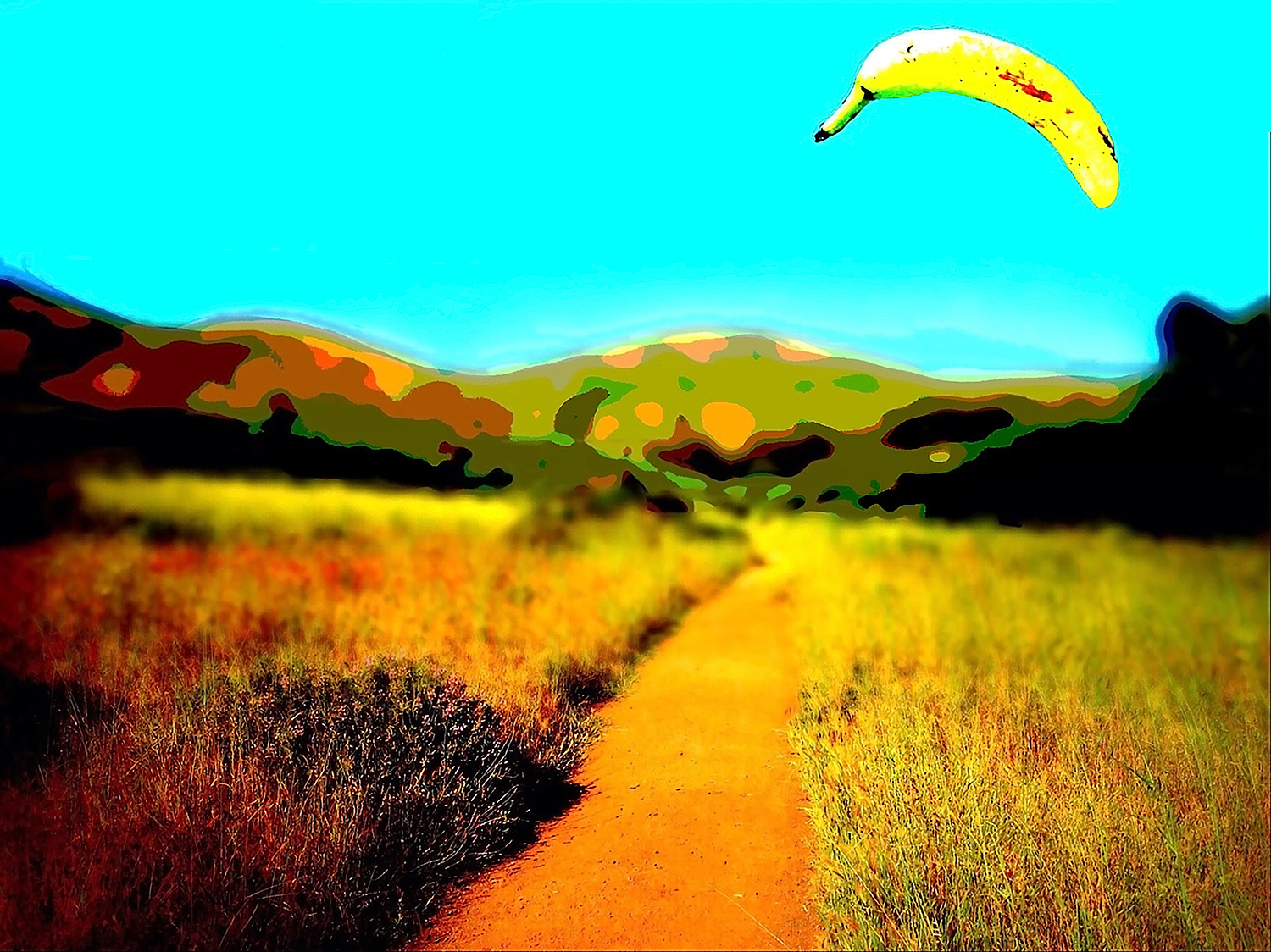
The Sun King series
I was looking at this picture and the thought entered my head, “You need to put a banana in the sky.” I rode my bike down to the produce market and bought a banana, the right banana, went home and put it in the sky. I’ve been putting the same banana into pictures for ten years.
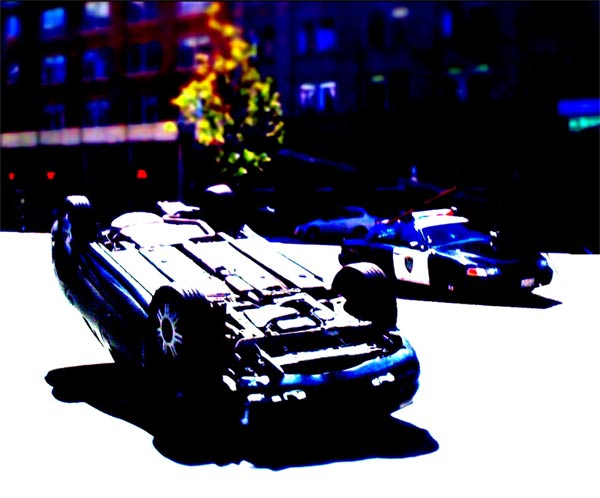
Early Work 2010-2011
Still some of my favorites. I loved the iPhone 3gs, the terrible camera and all the buggy apps.
The Pierce Street Community Garden
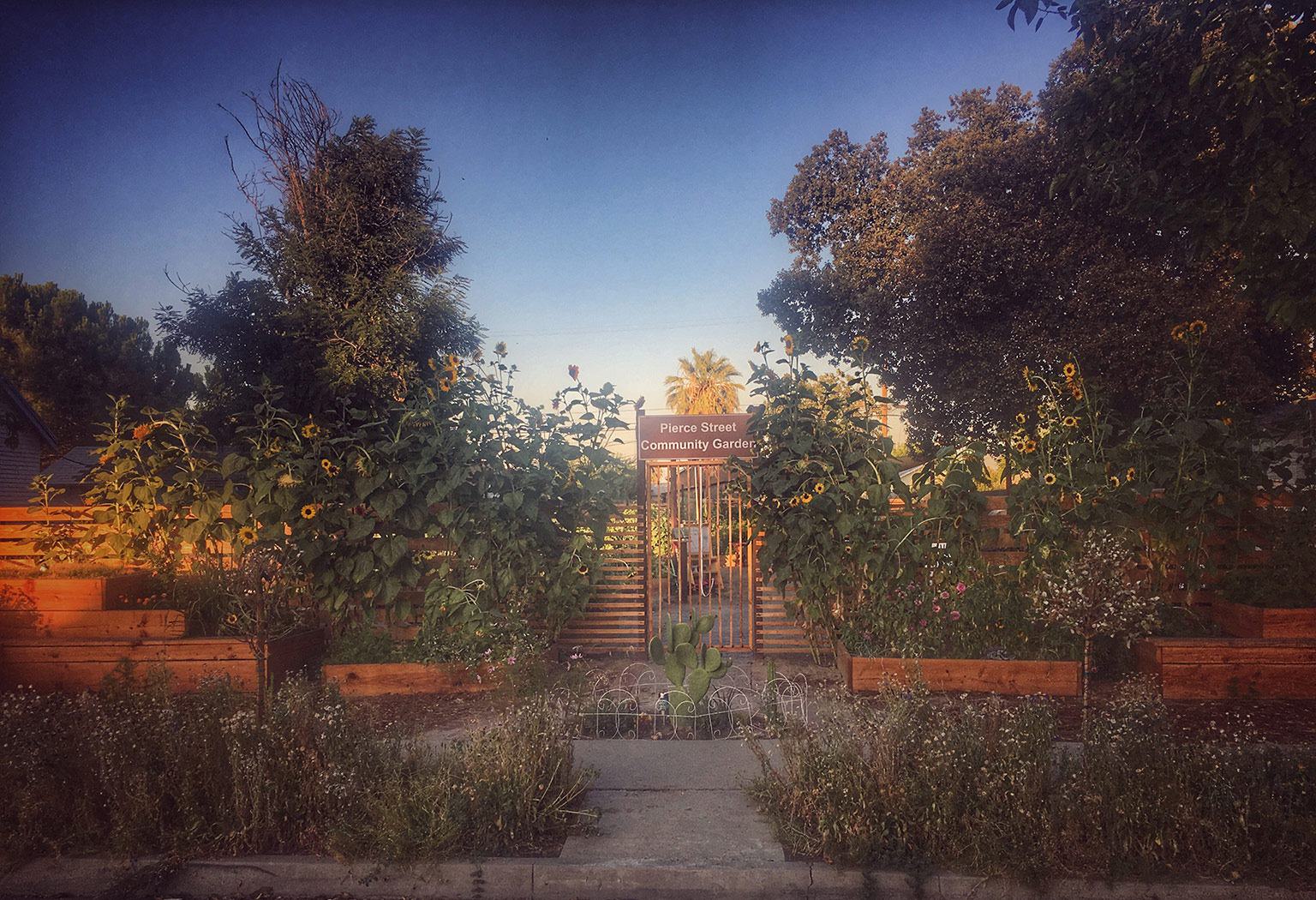
I hit Coalinga hard in early August, 2016, drummed out of Oakland by a jealous landlady and skyrocketing rents.
Years before, tweakers had trashed the little house into which I was to move. It had been empty since then and it showed. I slept on a foam pad on the floor as I worked to make the place livable. My only furniture was a lawn chair. I lived on roast chicken from SavMart, Starbucks breakfast sandwiches, and burritos from Tres Agaves, the all-night taqueria which serves the best food in town. The temperature hovered around a hundred and five degrees every day and the swamp cooler attached to the house was non-functional. Truth be told, I had never seen a swamp cooler before and I didn’t know what it was.
Read the whole story of one of my proudest accomplishments here.
Videos
There are tons of videos on this site. Here’s a link to the “Music Videos page“. Here’s a link to the “Art Videos” page. Here’s link to the “Weirder Videos” page.
My cover of Marty Balin’s Coming Back To Me was on my album, One Man’s Opinion of Moonlight, just me and guitar. However, a year or two later I returned to the song and listened to the piano part my friend Rachel Efron had played for it during our late night session. Producer Rick Baretta and I had decided not to use it on the album release. I thought I would see what I could come up with in terms of a minimal arrangement, cello, strings and oboe. And Rachel’s piano, of course. What Rachel does as we go into the bridge kills me every time.
The Most Beautiful Day in the History of the World

I remember the day I received this cartoon from my friend, Gus, via email. I was immediately inspired and made a few over the next few weeks. I still make them from time to time. Available as limited edition archival prints or on a commission basis. Contact me if interested.